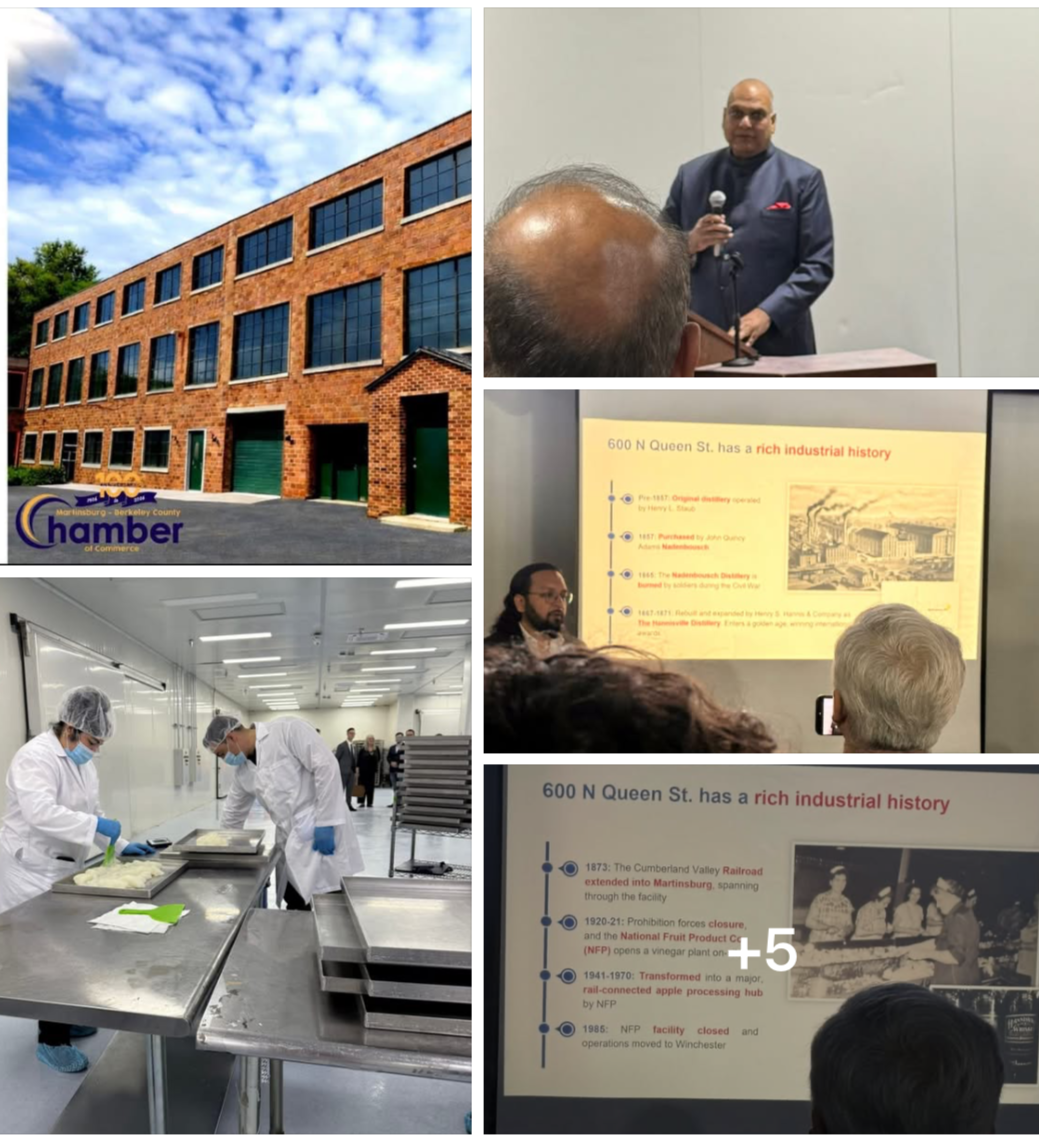
Unlocking $250M in Private Investment via Brownfield Revitalization
The Challenge: 40 Acres of Industrial Stagnation
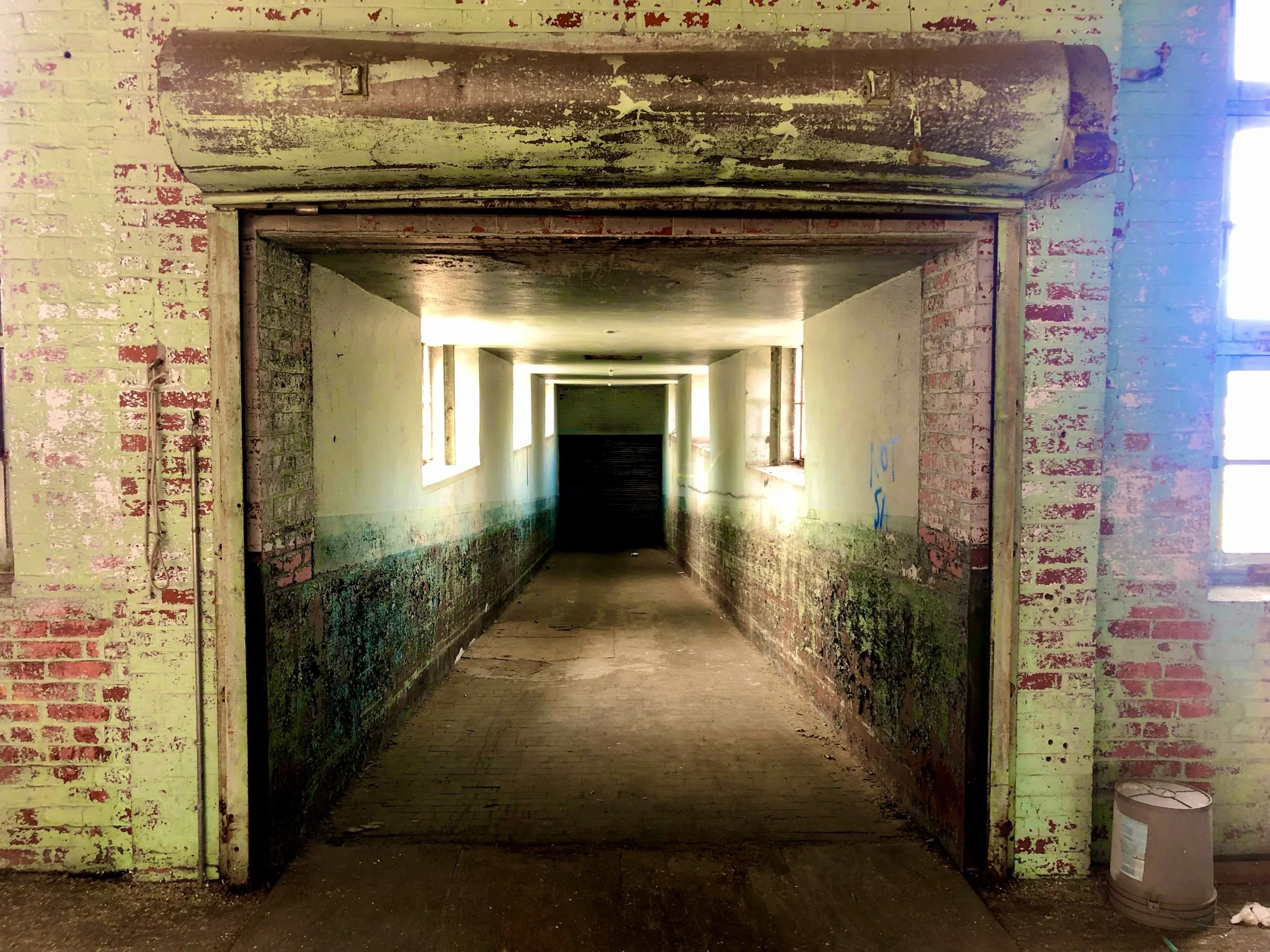
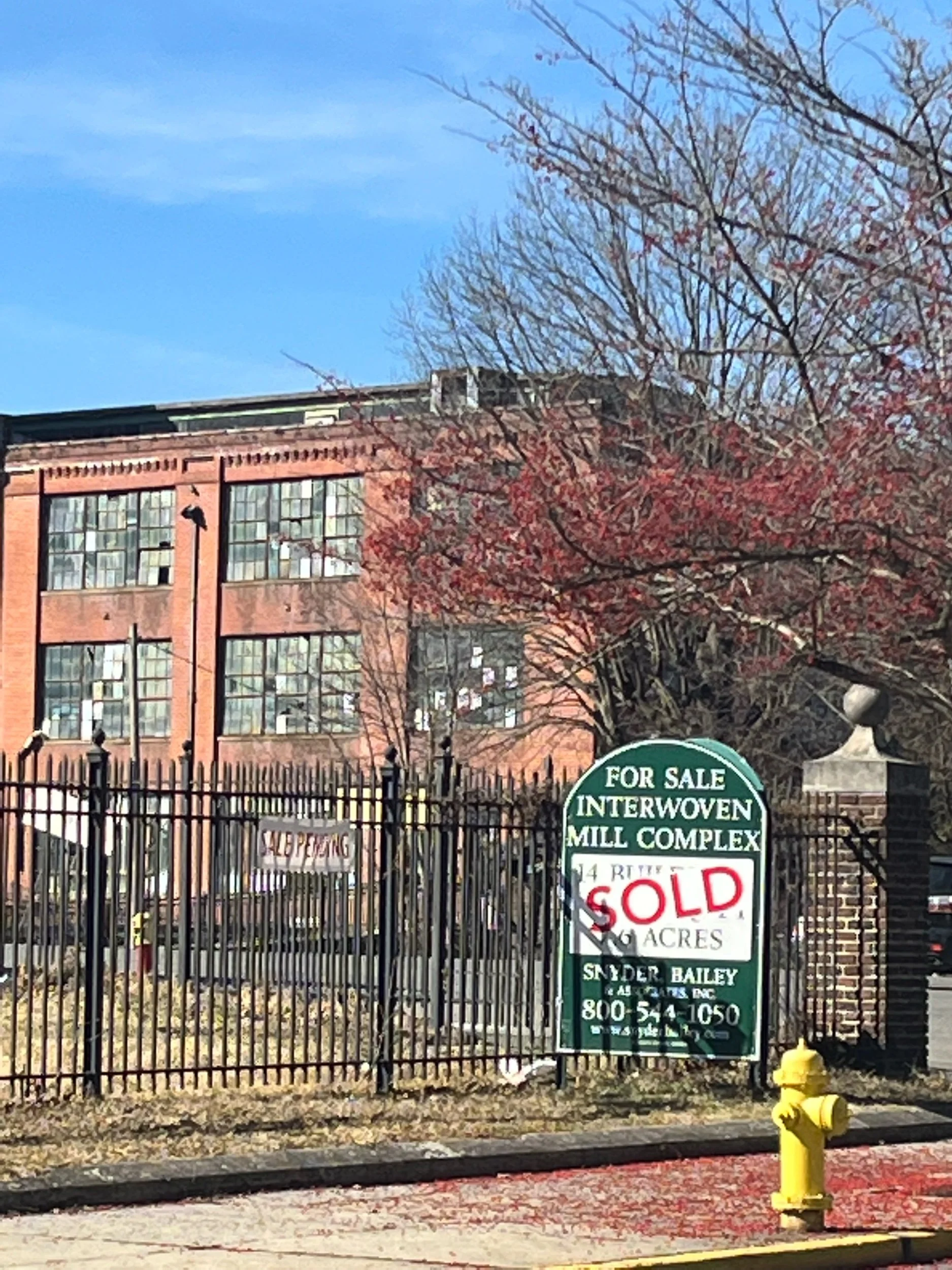
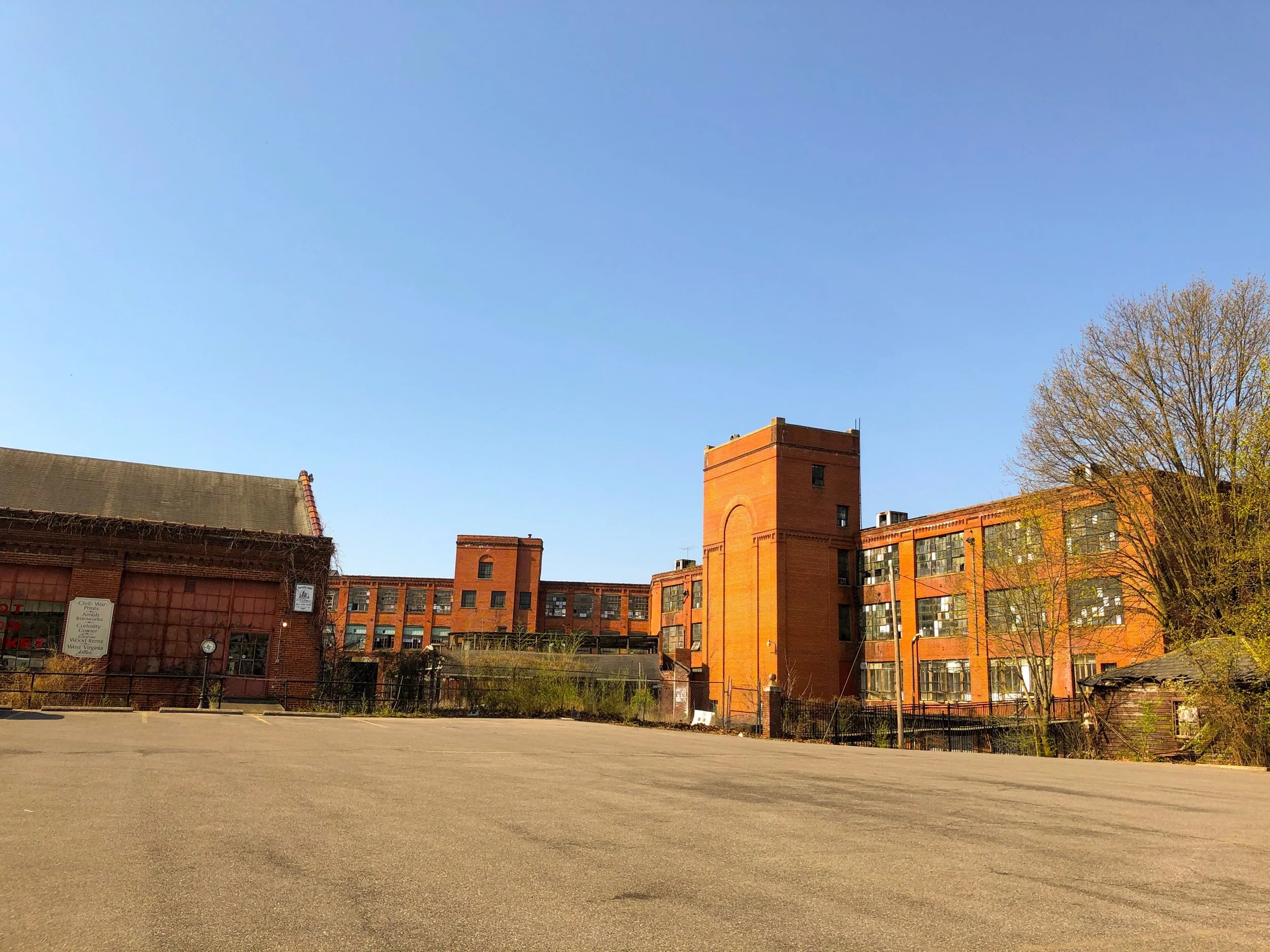
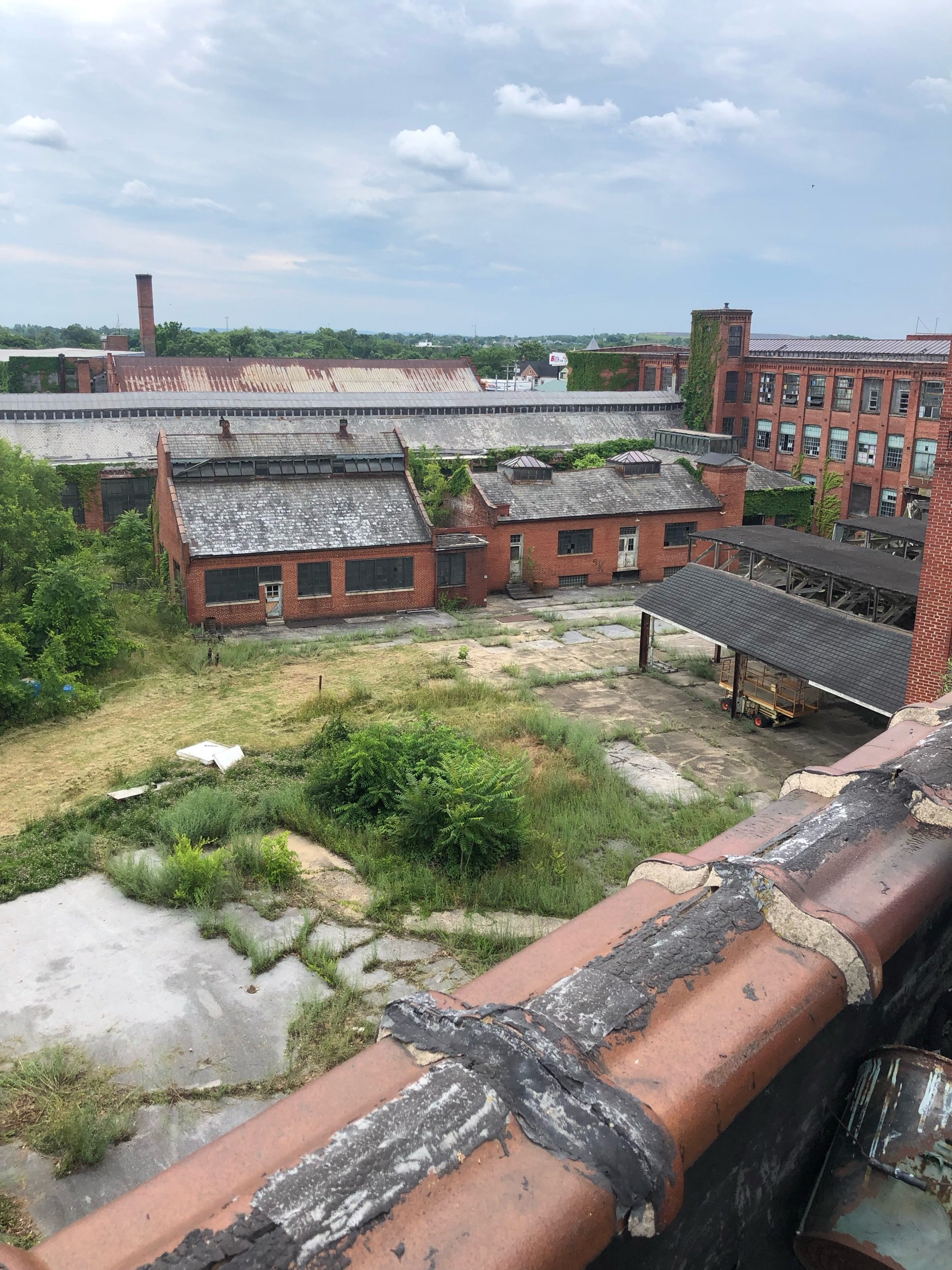
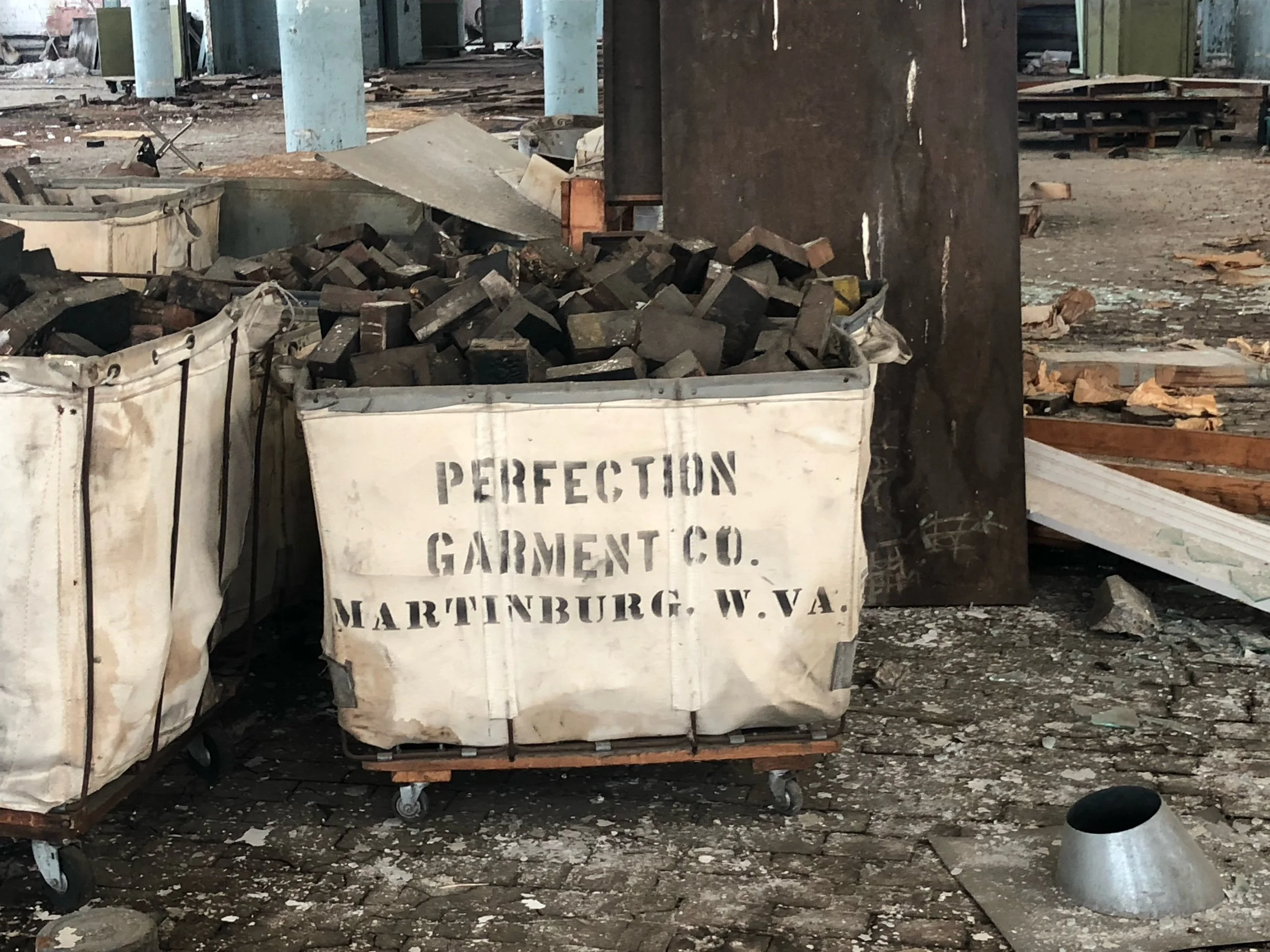
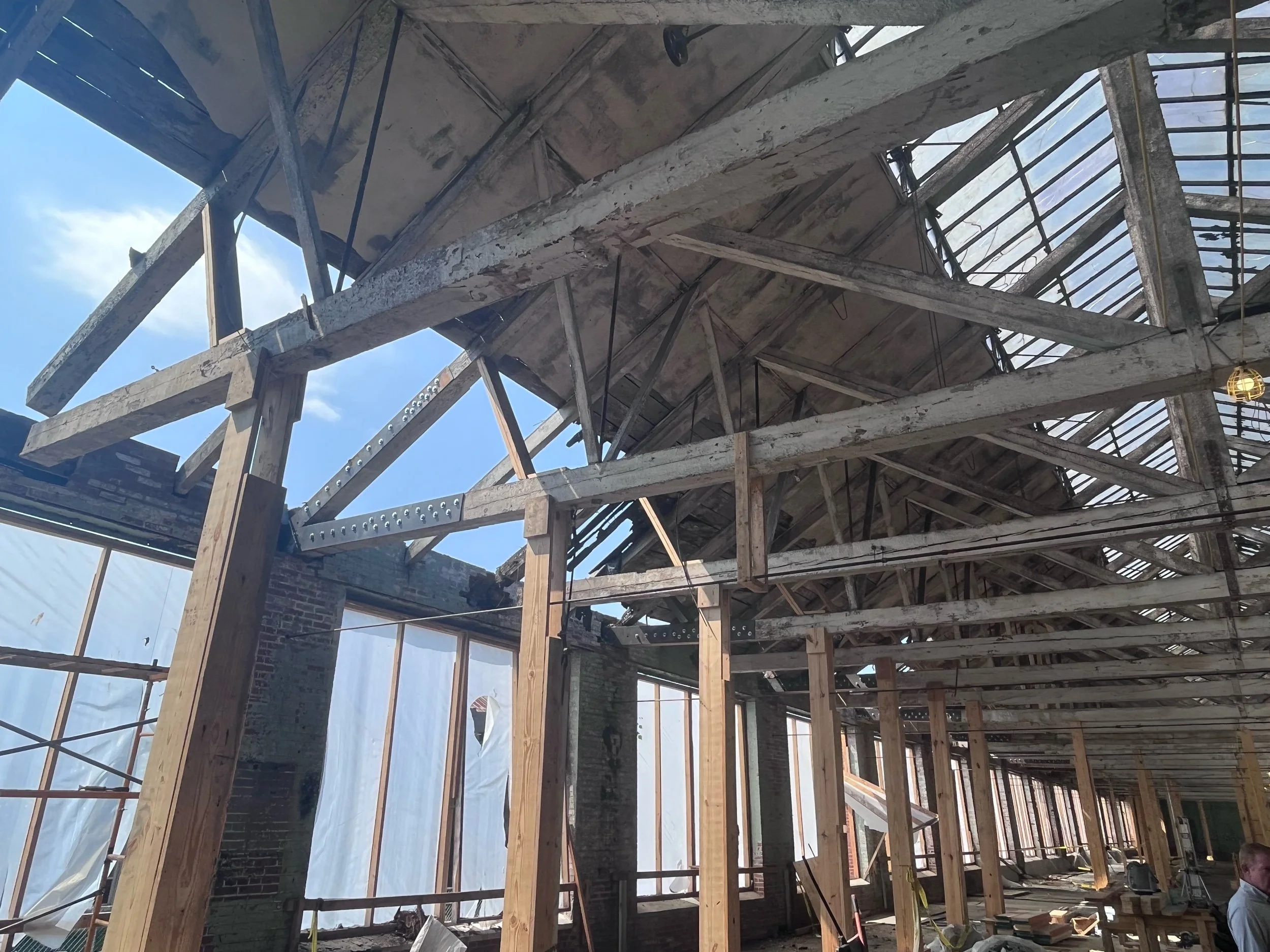
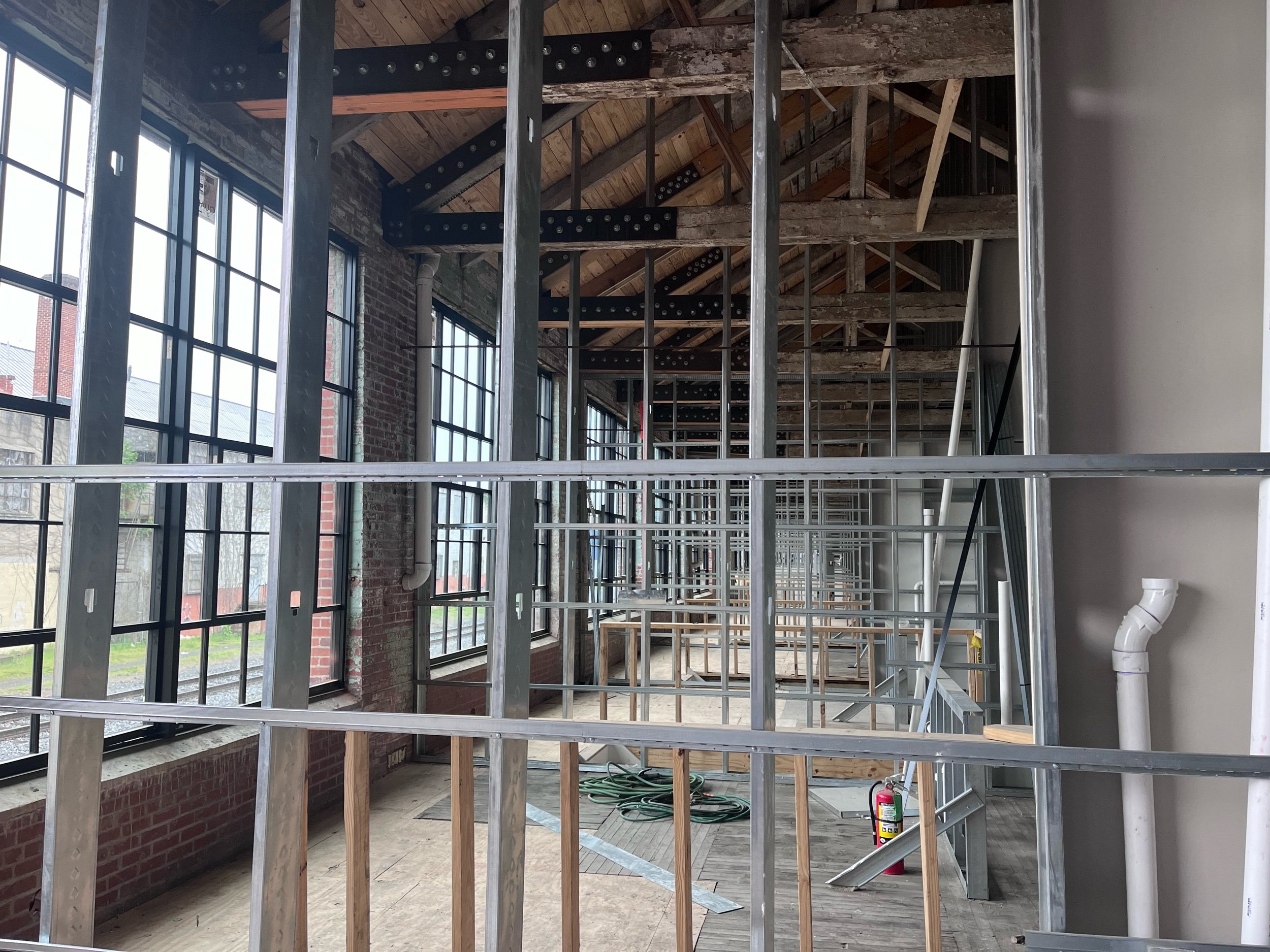
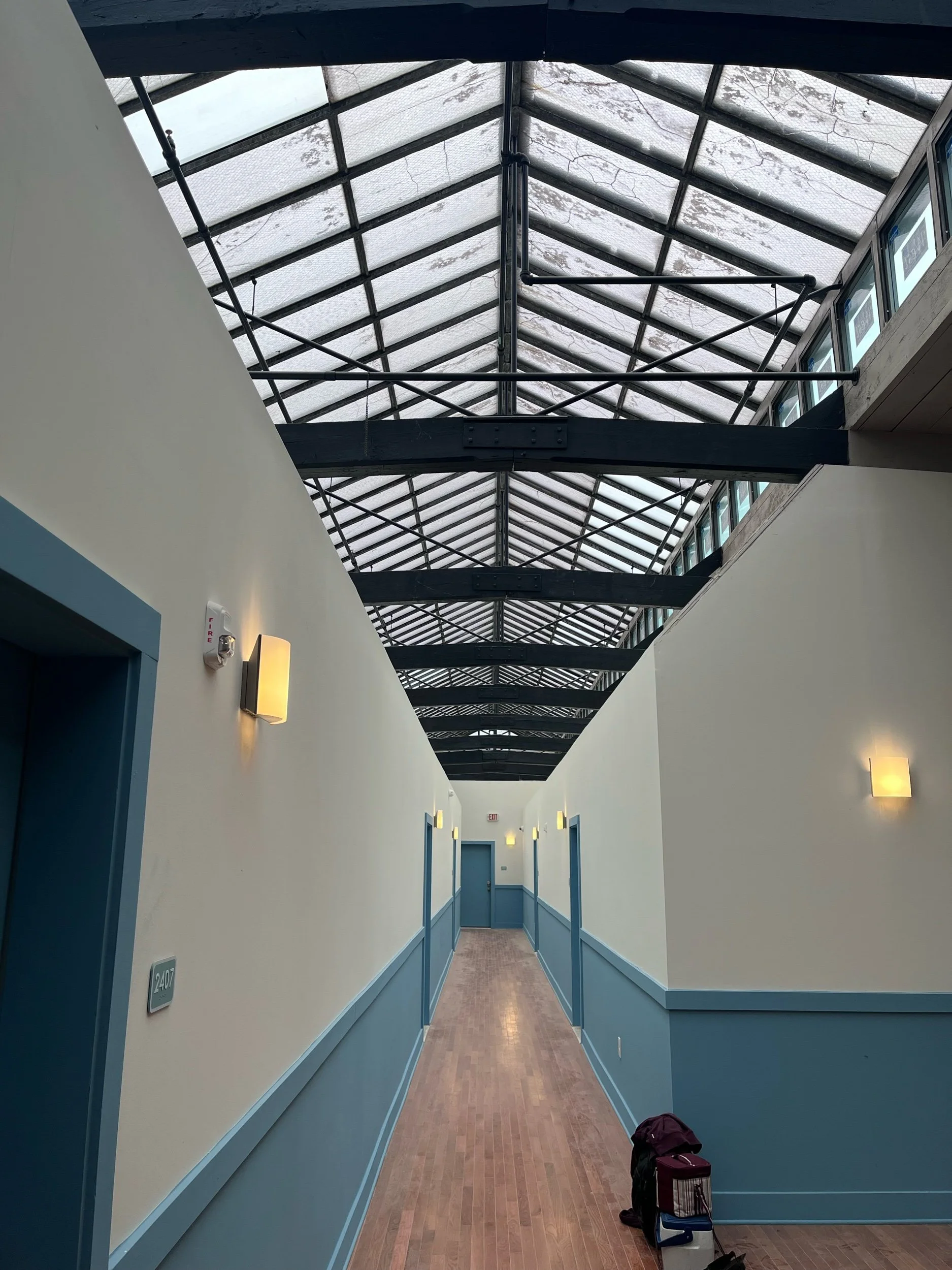
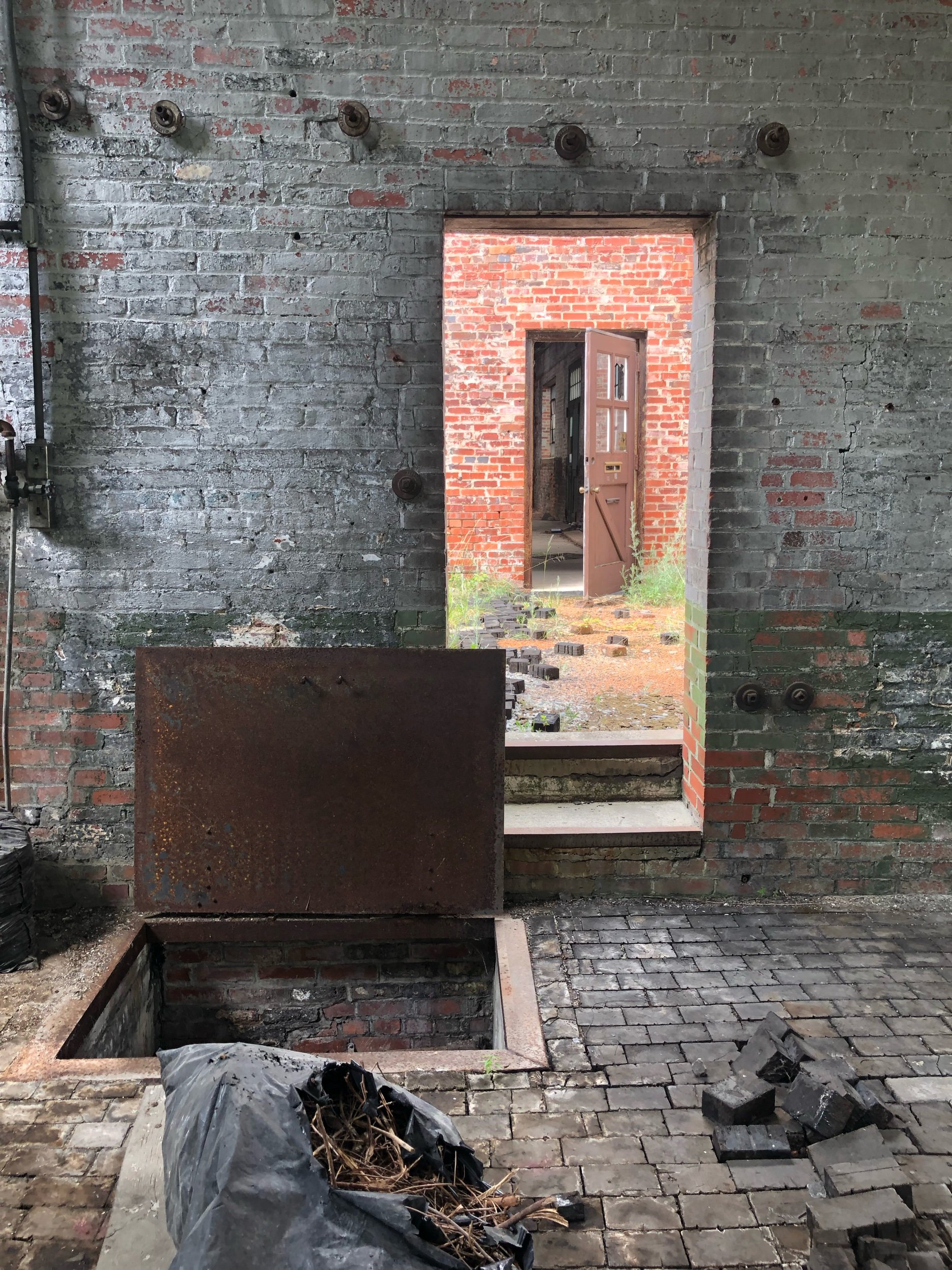
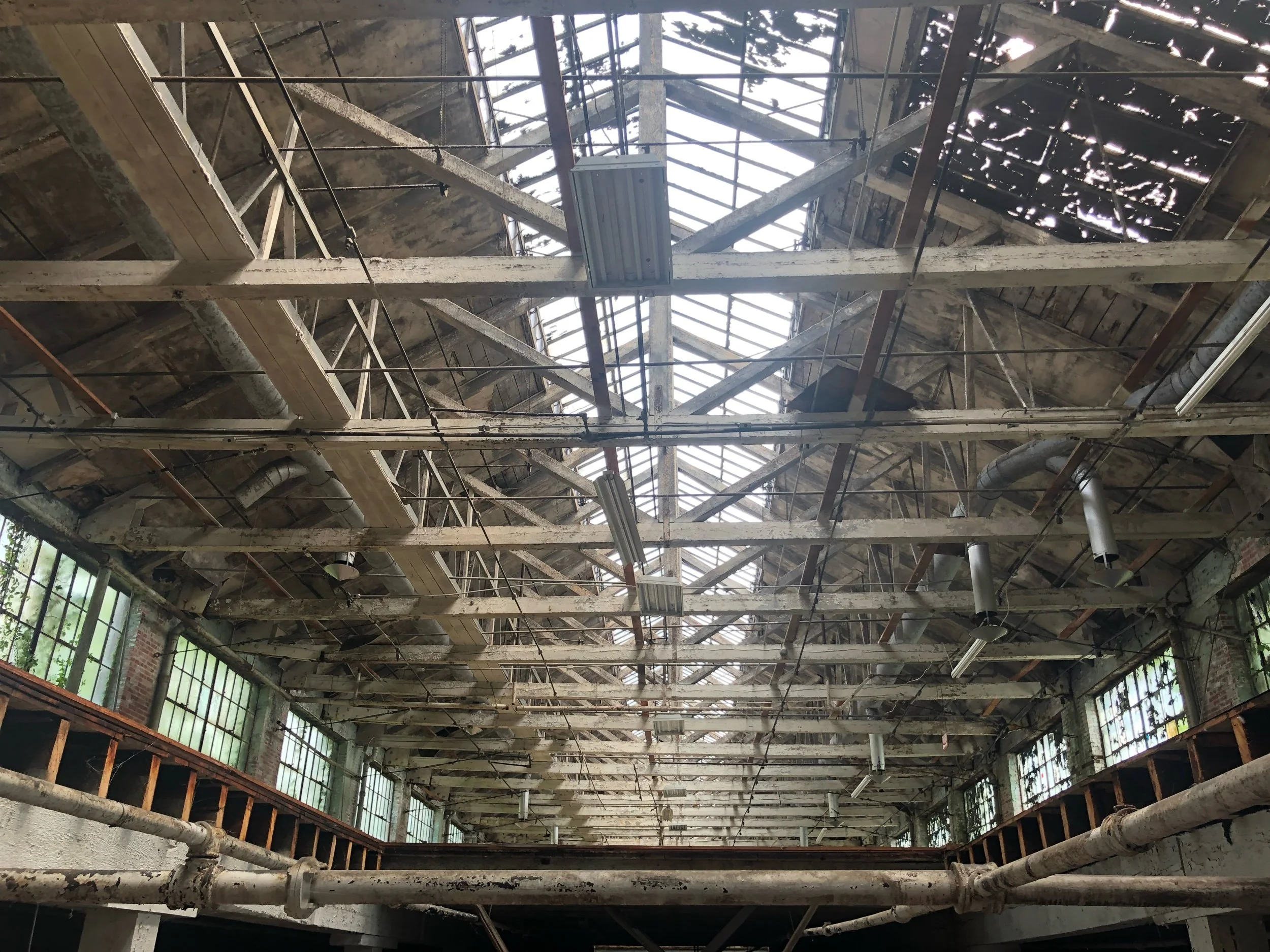
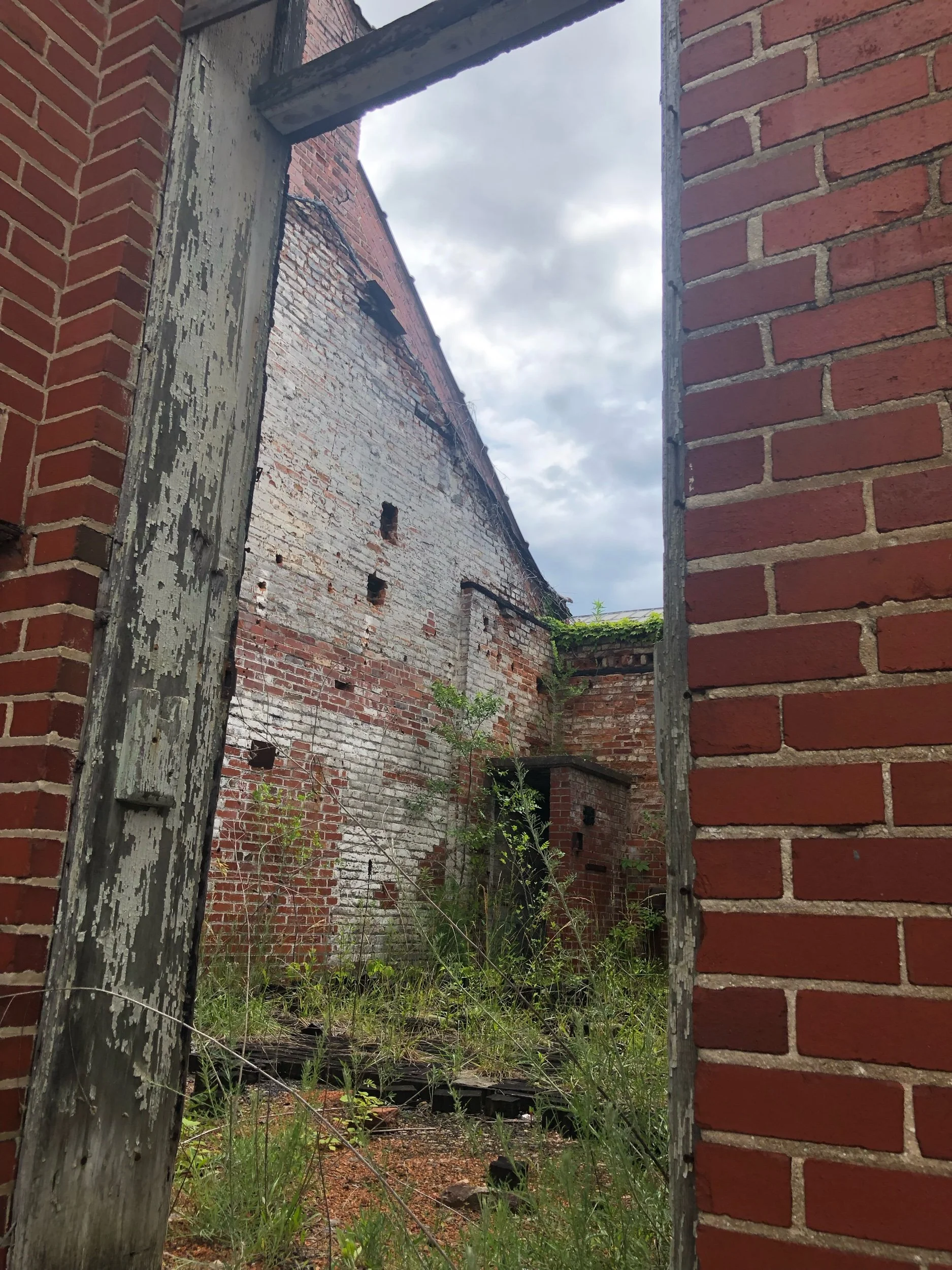
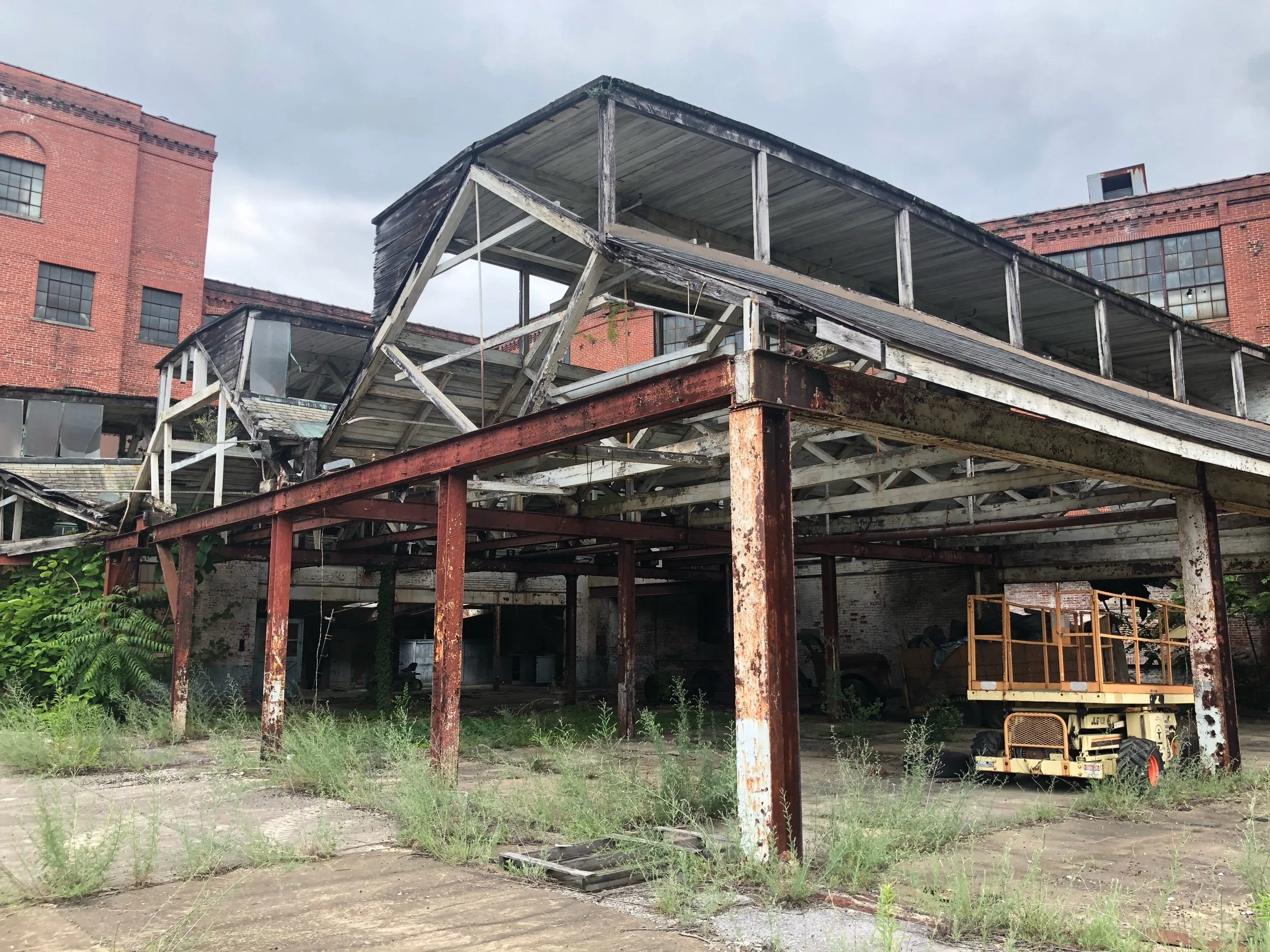
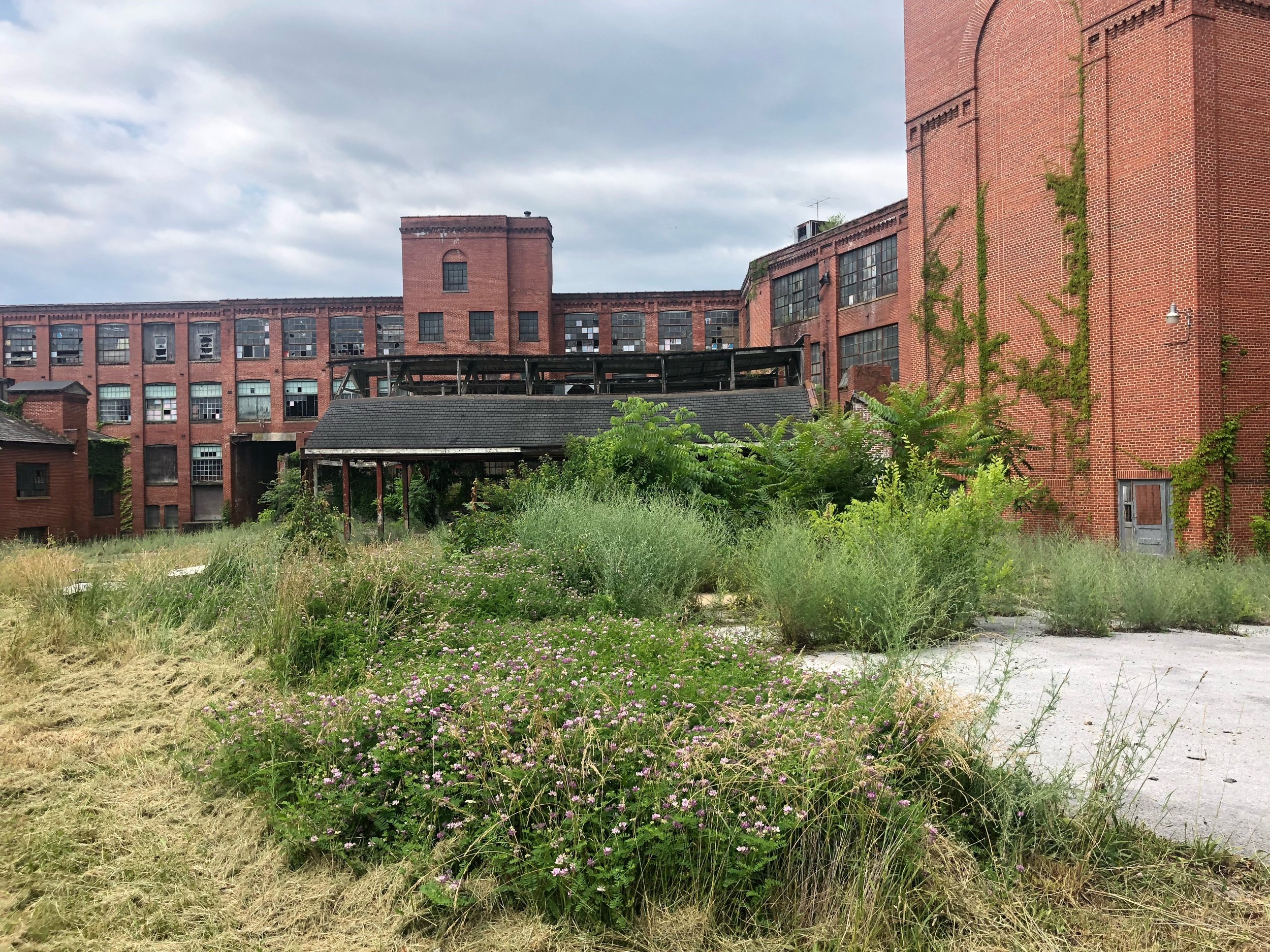
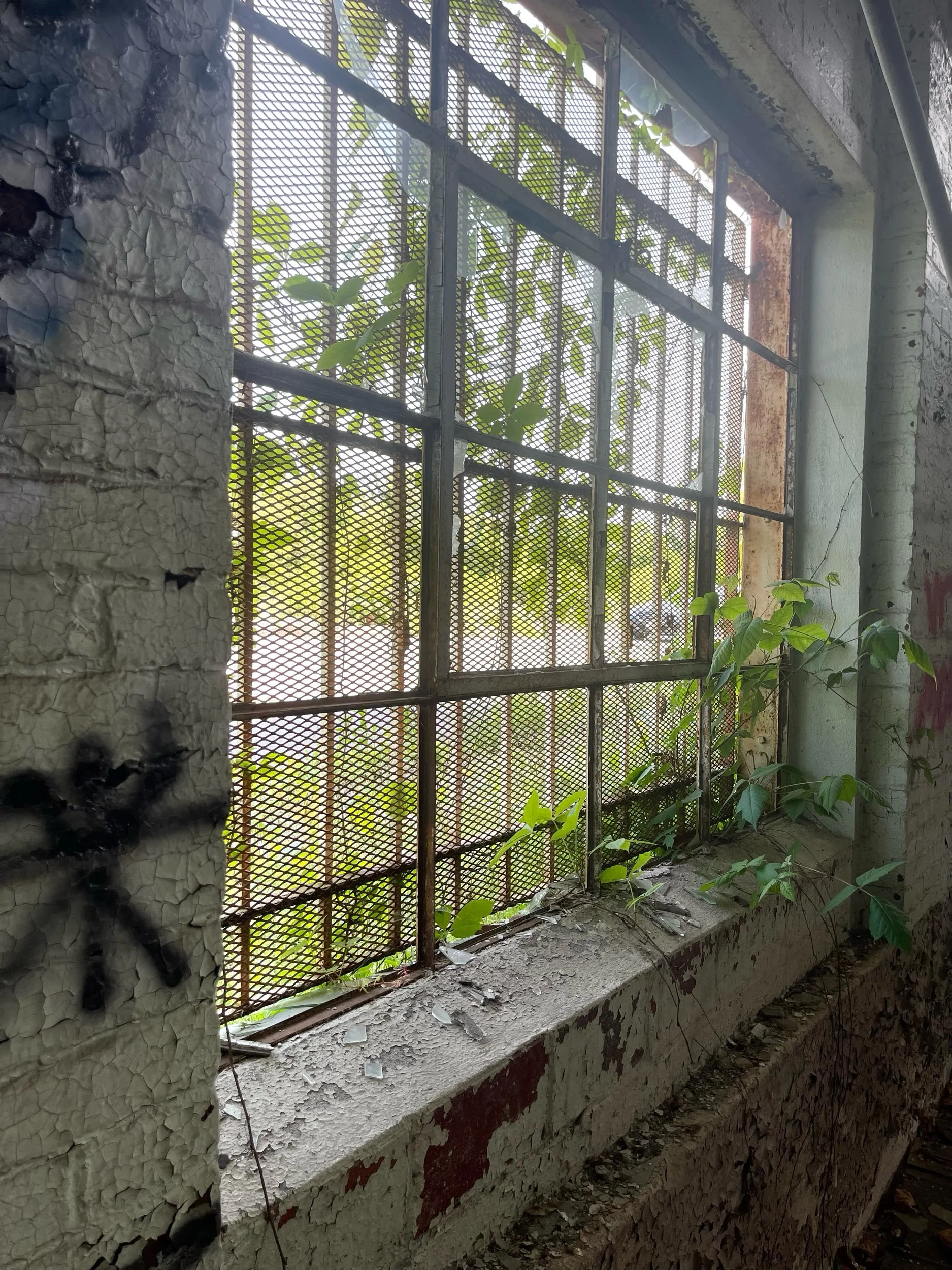
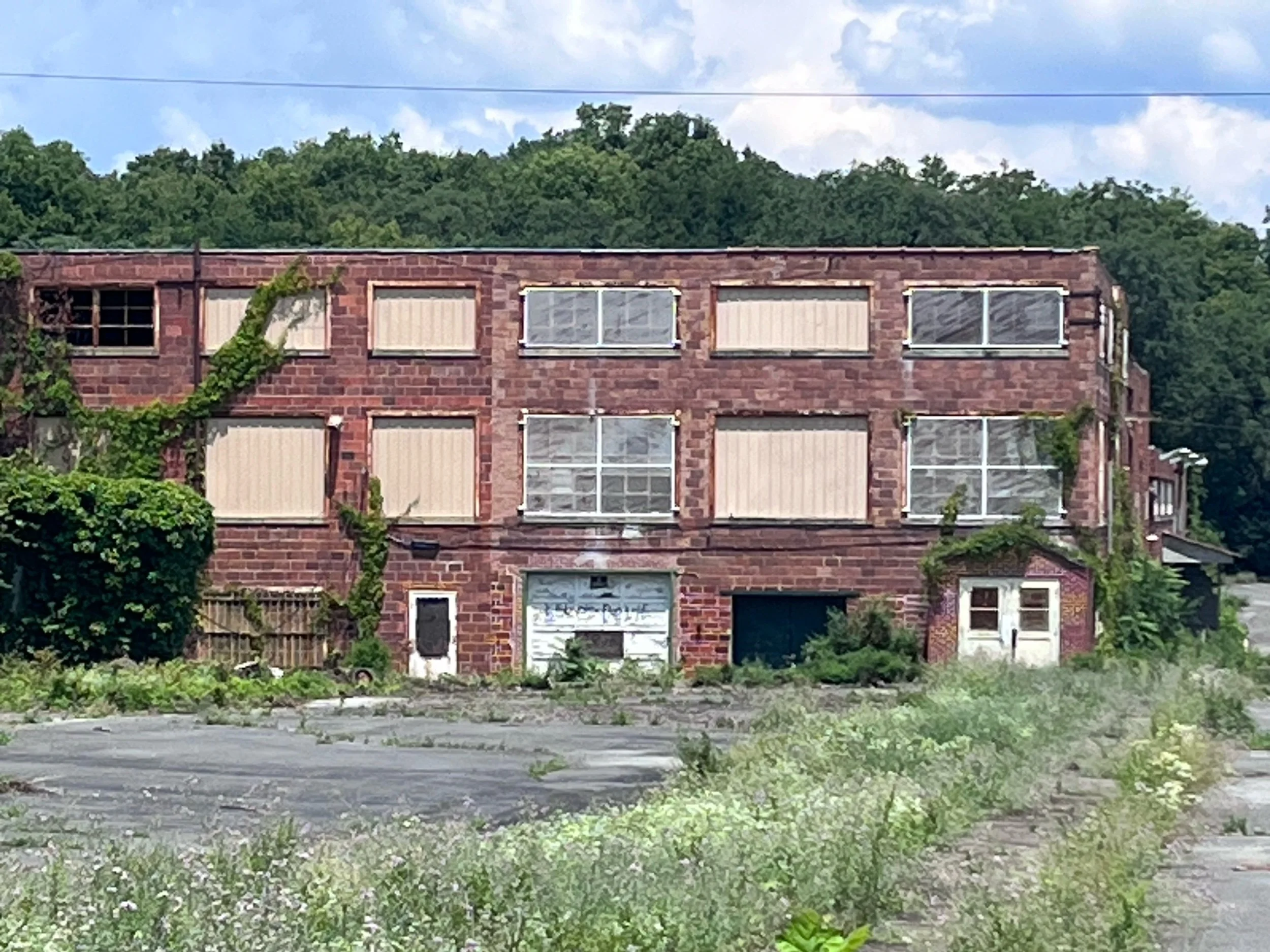
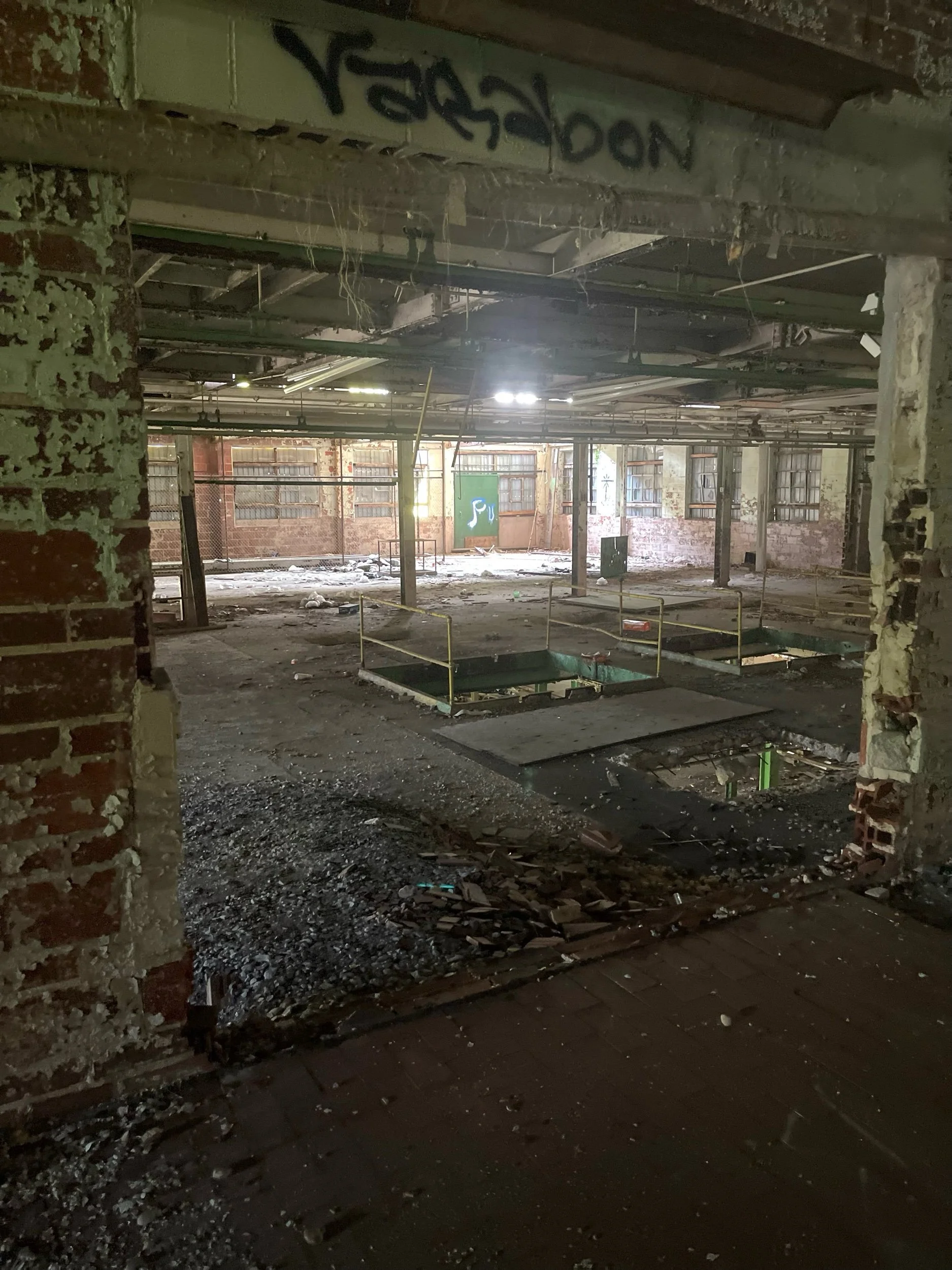
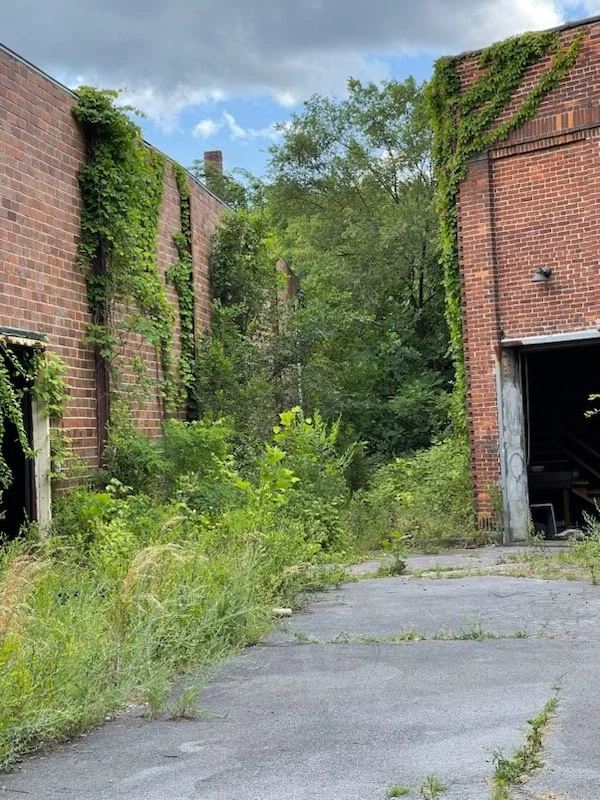
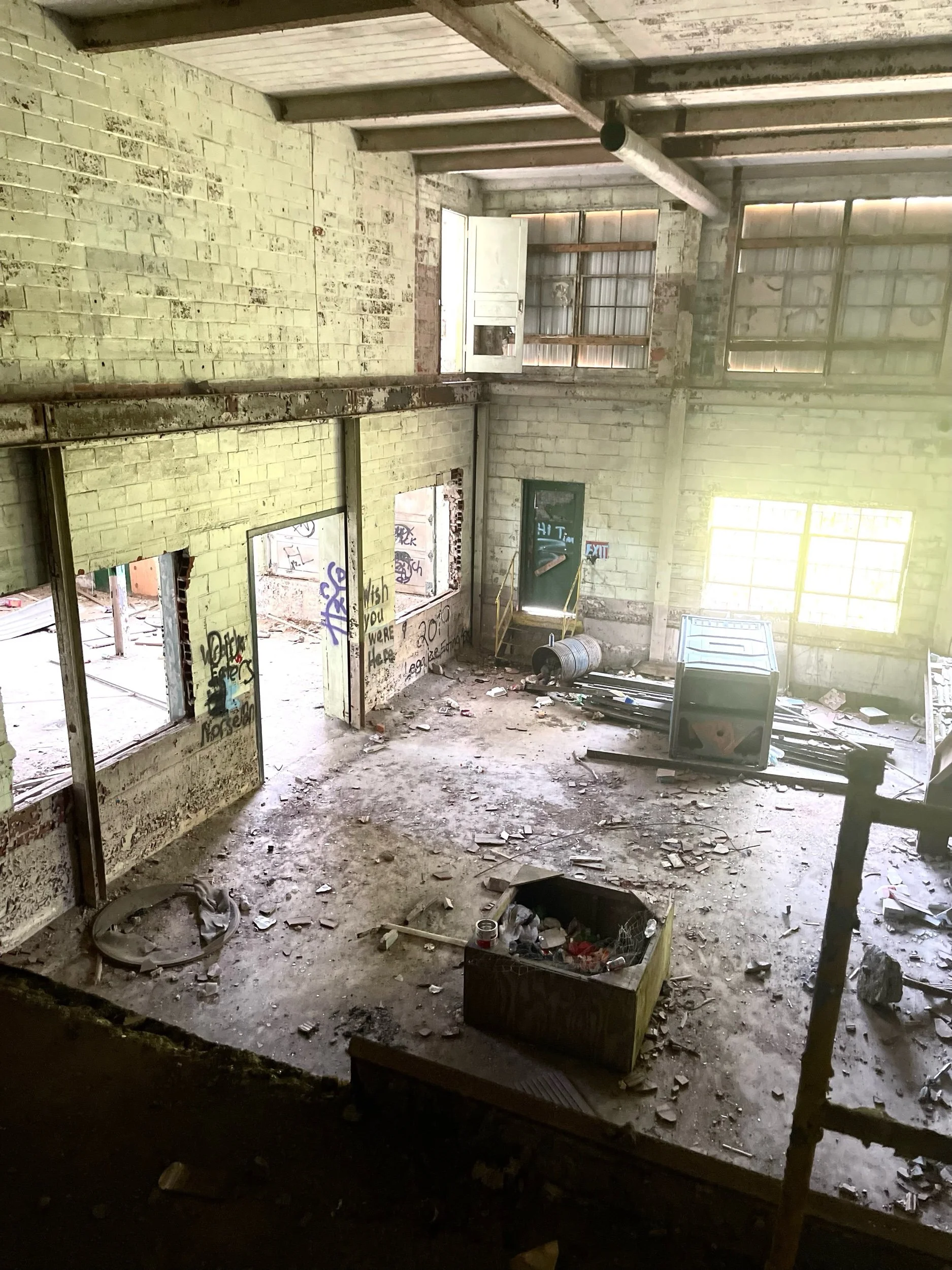
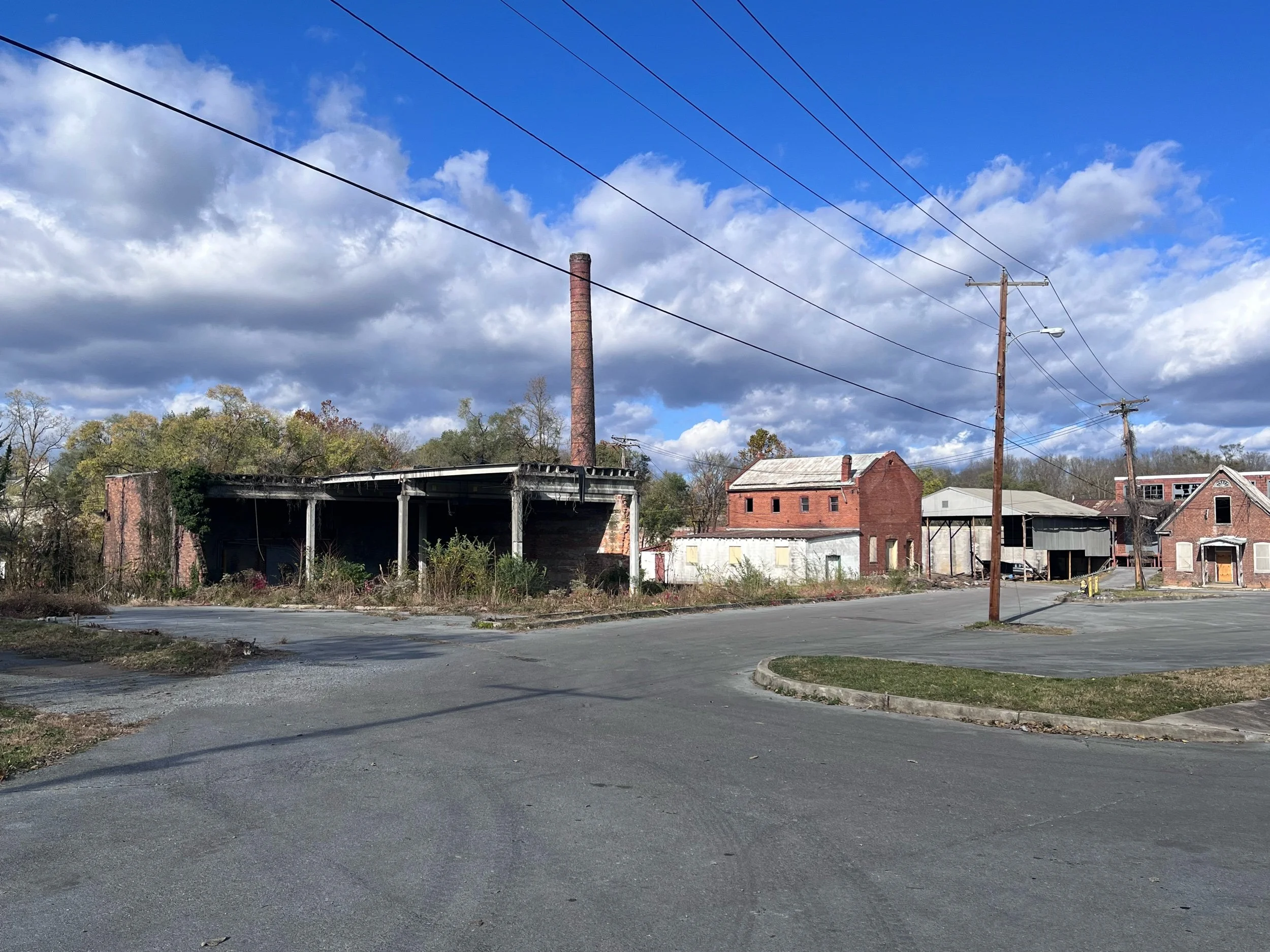
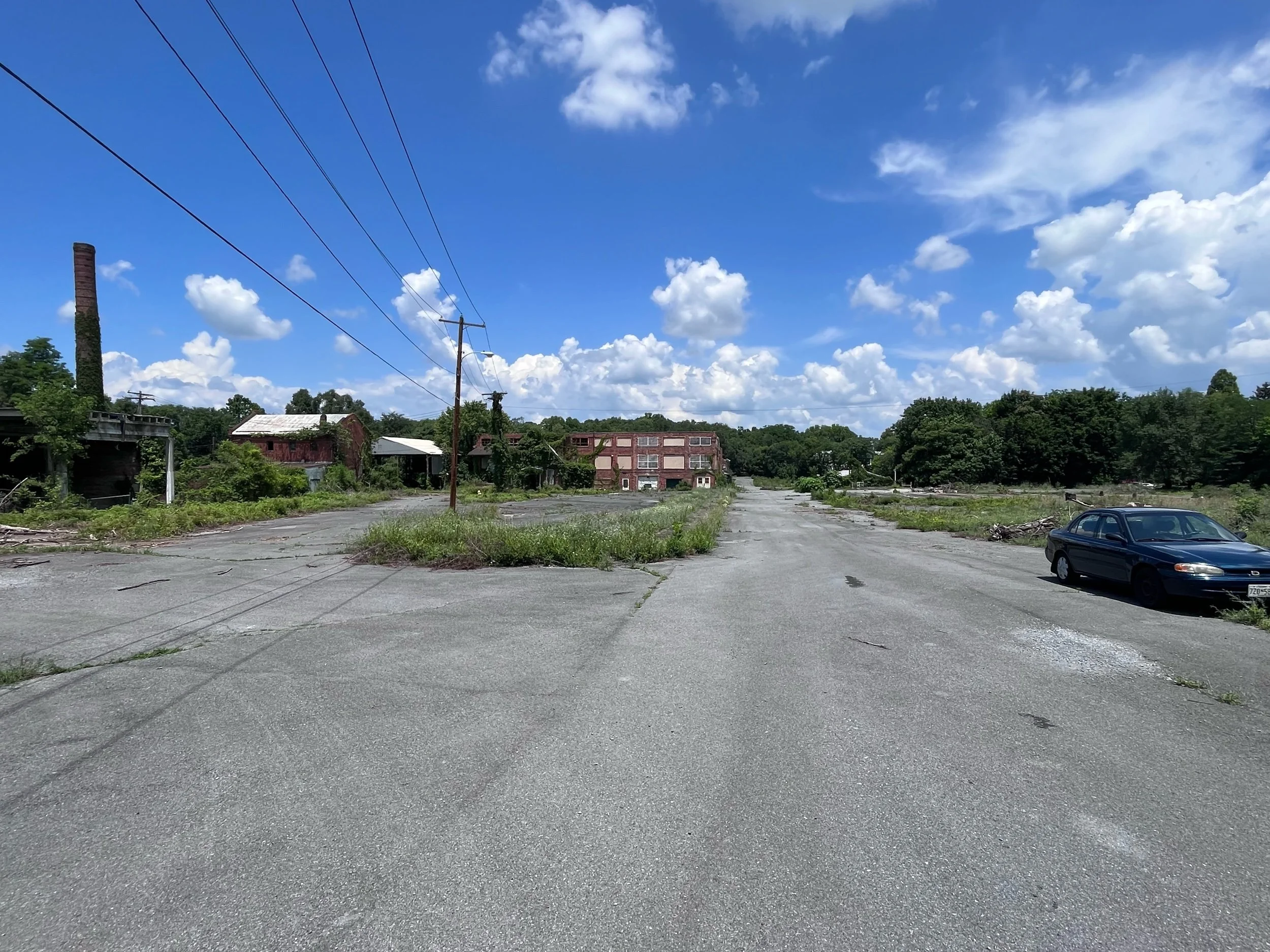
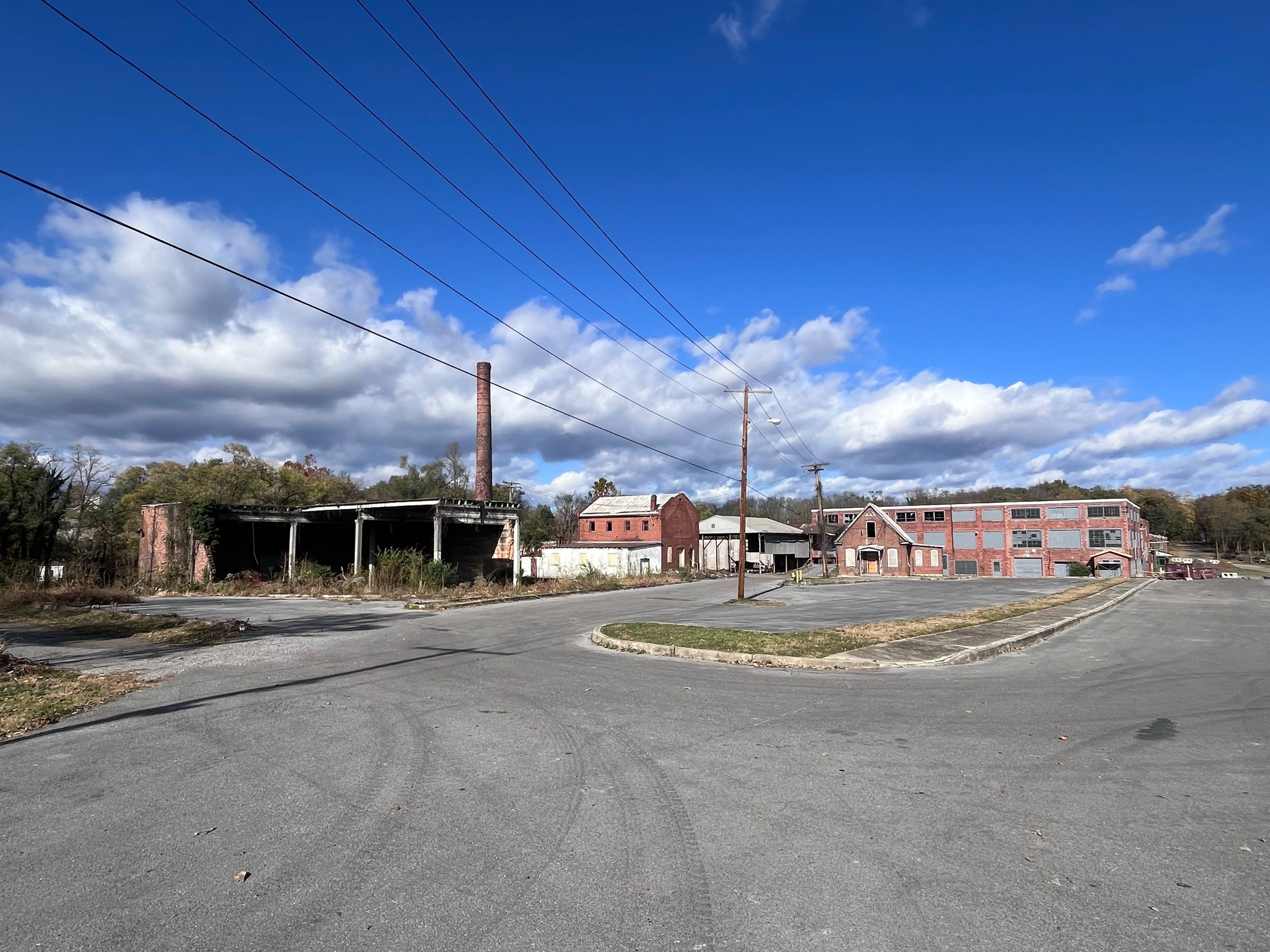
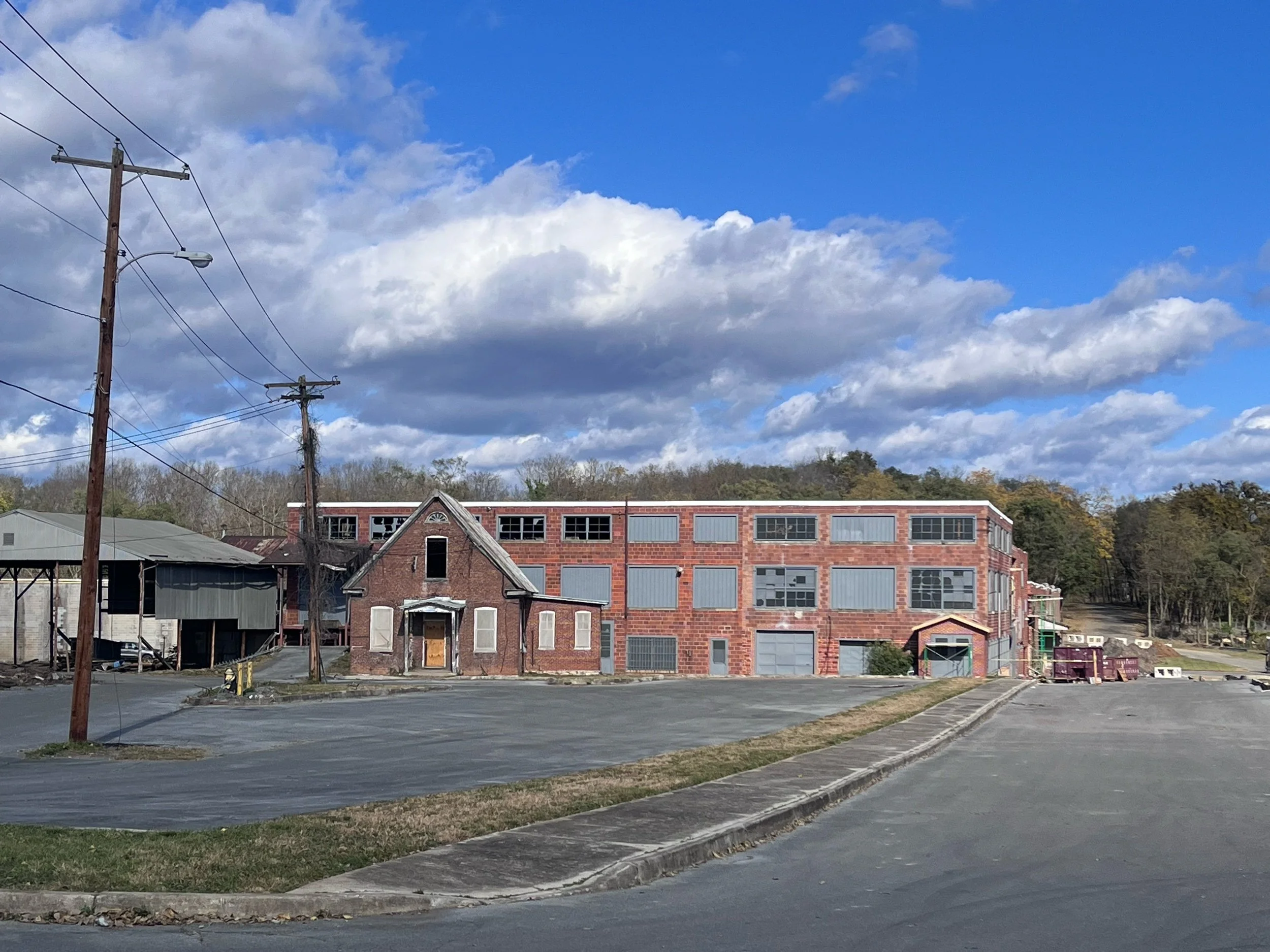
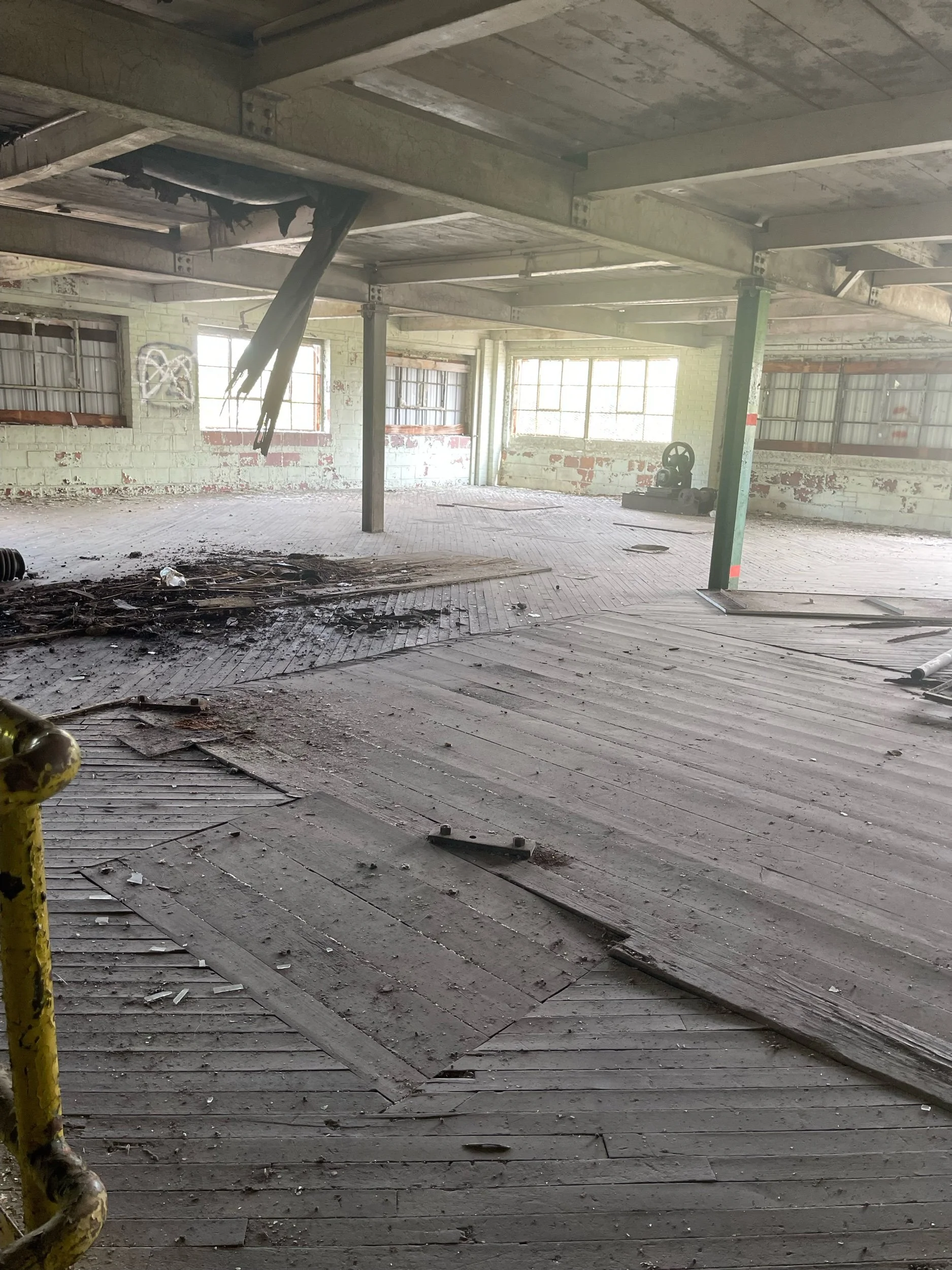
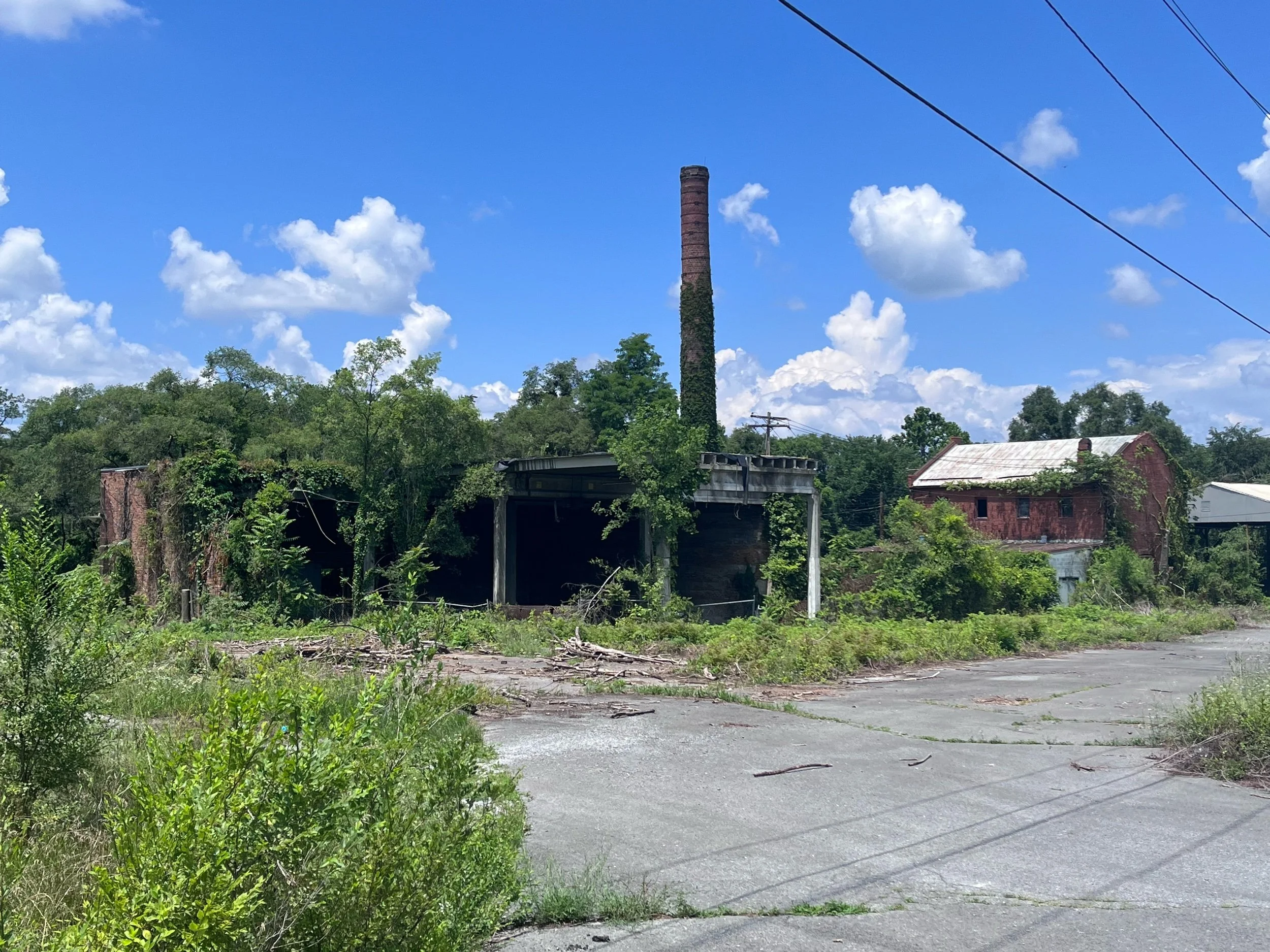
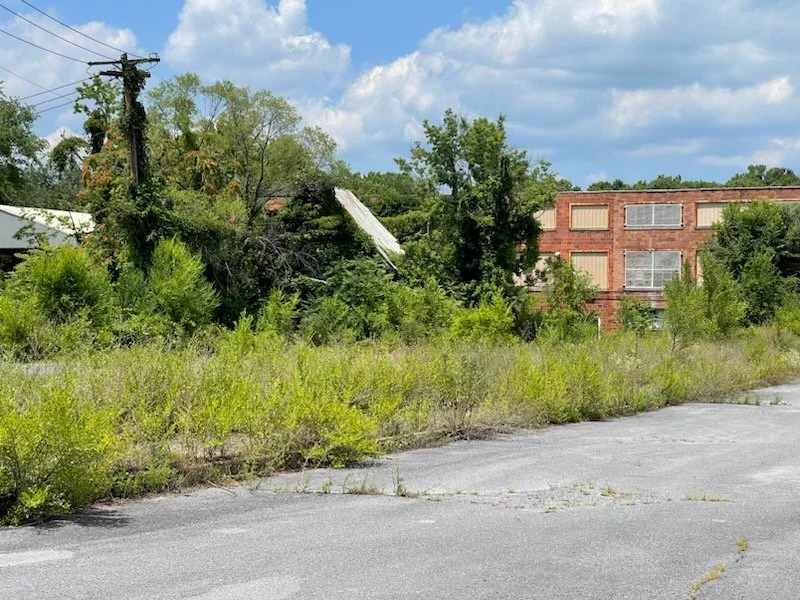
For decades, Martinsburg was anchored by several massive, underutilized industrial sites, including the Interwoven Mill, Perfection Garment, and National Fruit properties. These 40+ acres of downtown brownfields represented a significant fiscal hole: they required expensive environmental remediation that made traditional redevelopment financially impossible, yet their vacancy depressed the value of the surrounding city core.
The Action: P3 Negotiation and Fiscal Engineering
The strategy to revitalize these sites moved beyond simple land-use planning and into the direct negotiation of complex Public-Private Partnerships (P3). The goal was to bridge the remediation gap without a direct financial burden on the city.
Strategic P3 Negotiation: Led the attraction efforts for the multi-site, 40-acre portfolio. By acting as the primary liaison between the city, historic tax credit investors, and private redevelopers, the process ensured that public interests were protected while creating a viable path for private capital.
Complex PILOT Agreements: A critical component of the success was the negotiation of a PILOT (Payment in Lieu of Taxes) agreement. This required aligning three separate layers of government—the City, the County, and the Development Authority—to create a predictable tax structure that made the $250M investment profile attractive to lenders and investors.
Data-Driven Marketing: Developed technical pro formas for the brownfield-assessed parcels. By providing developers with granular data on market absorption and infrastructure capacity, the sites were repositioned from liabilities to high-potential assets.
Infrastructure Layering: Successfully applied for West Virginia Water Development Authority funding. This secured the water and sewer infrastructure needed for multiple city blocks, further de-risking the projects for private partners.
The Result: $250M Redevelopment at Zero Public Cost
The execution of this strategy transformed the city’s industrial core into an active economic engine.
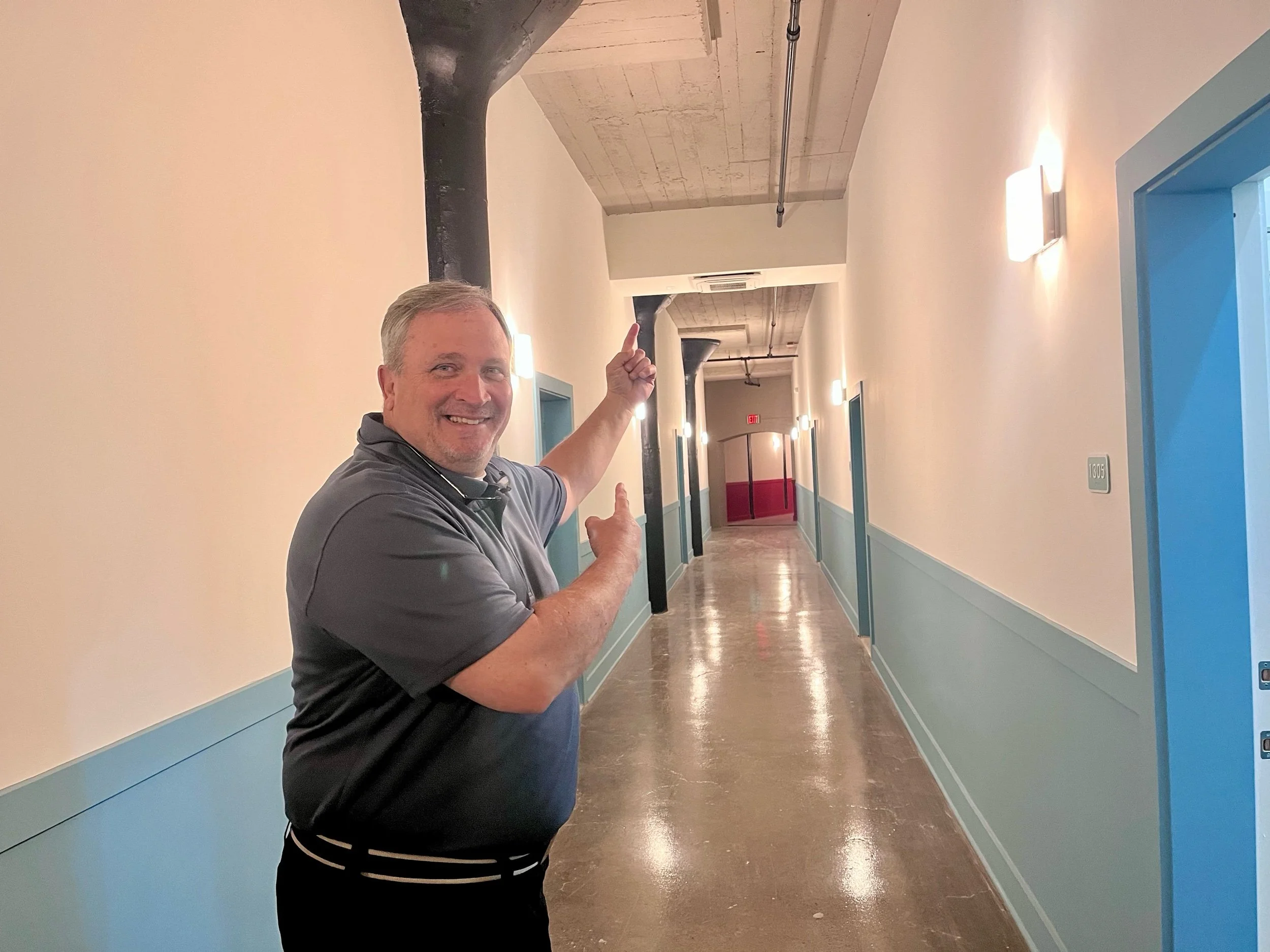
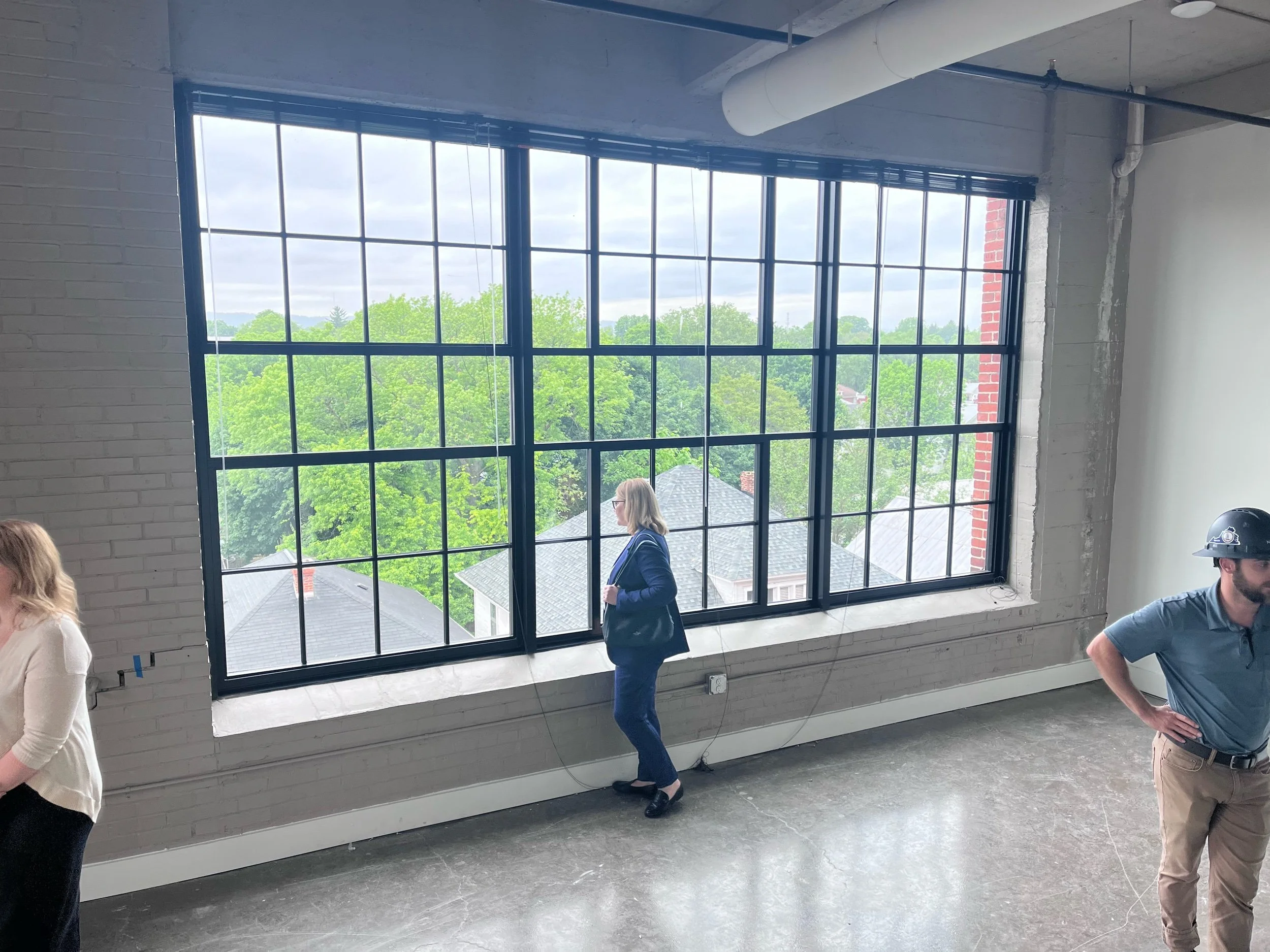
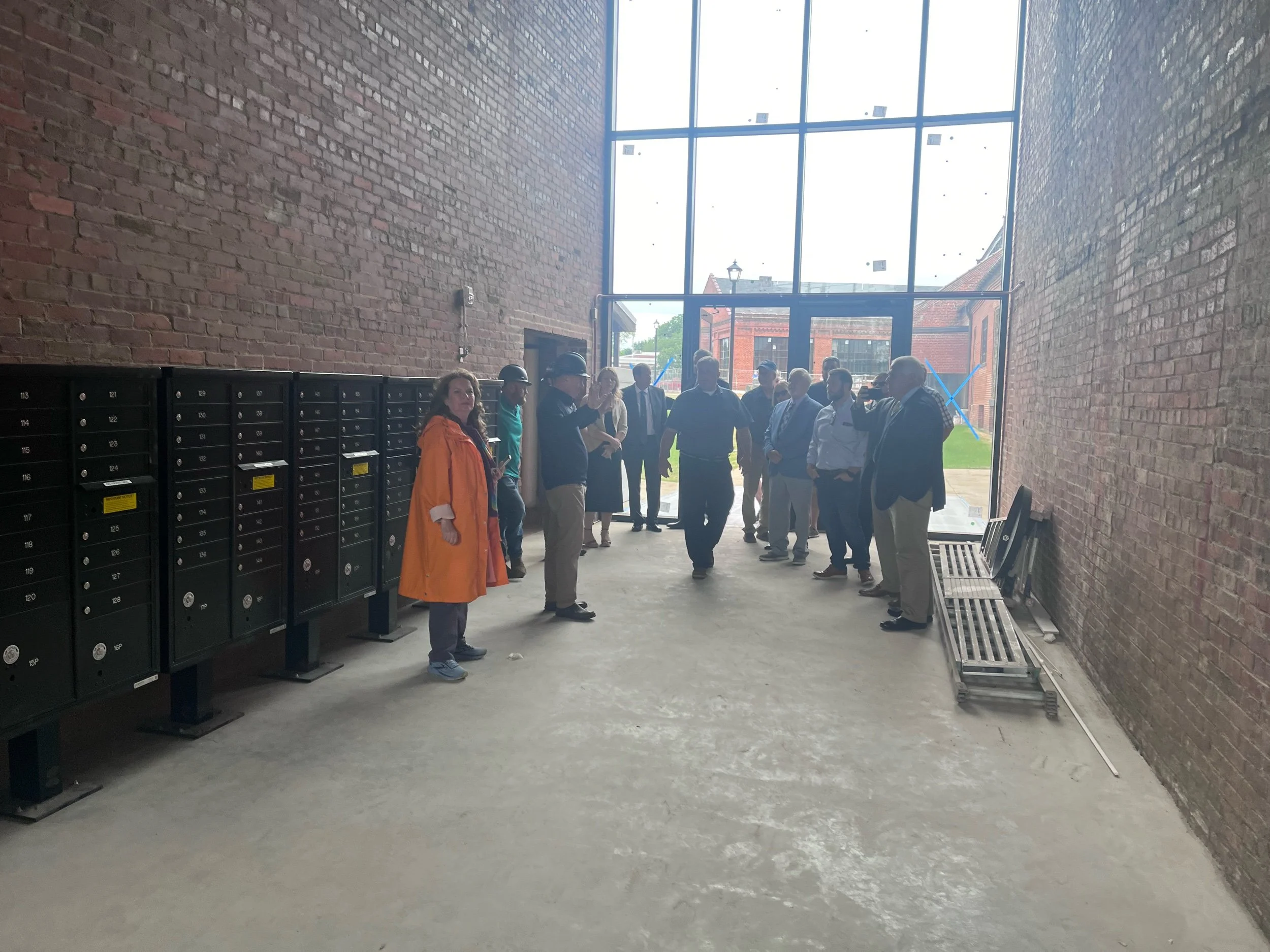
Private Investment Inflow: The negotiations resulted in over $250M in committed redevelopment investment for the cleanup and revitalization of the Interwoven, Perfection, and National Fruit sites. Resultant uses are market rate housing and medical manufacturing.
No Direct Cost to the City: By leveraging P3 structures and external infrastructure grants, rehabilitation was achieved without direct outlay from the city’s general fund.
Market Fluidity: This work was supported by a parallel modernization of city zoning, which was socialized through direct outreach to realtors and property owners to ensure the new market opportunities were understood and utilized.