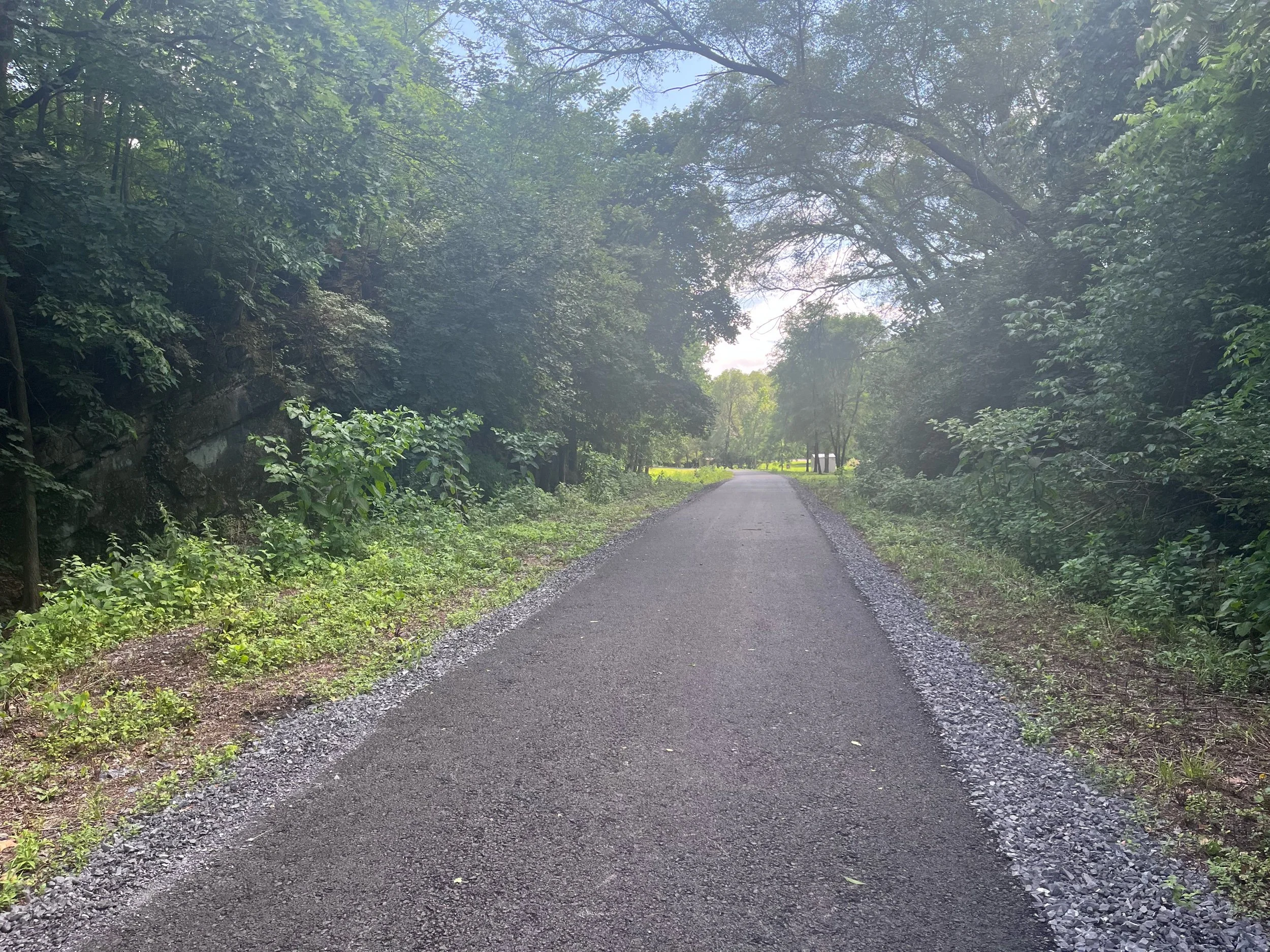
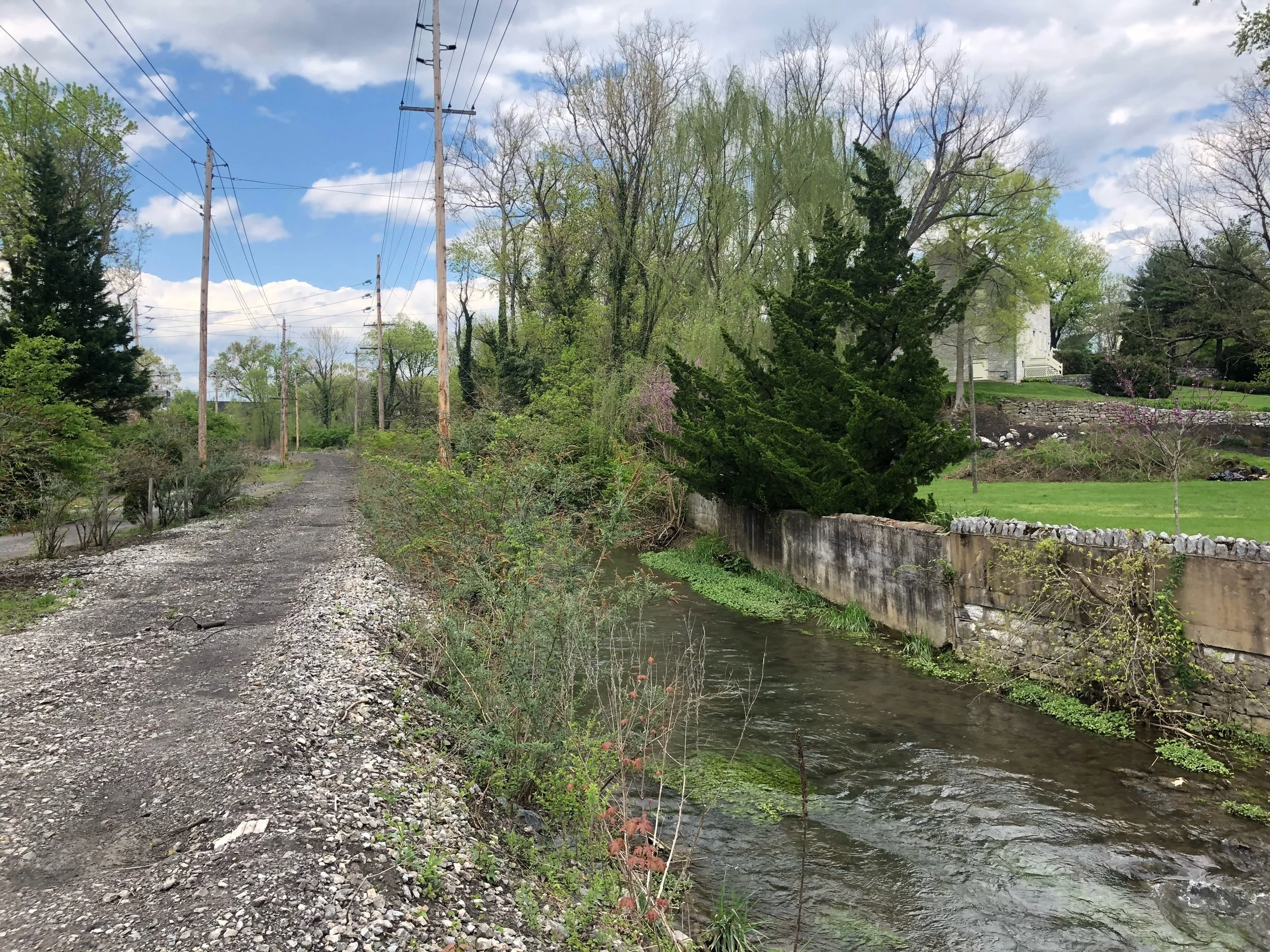
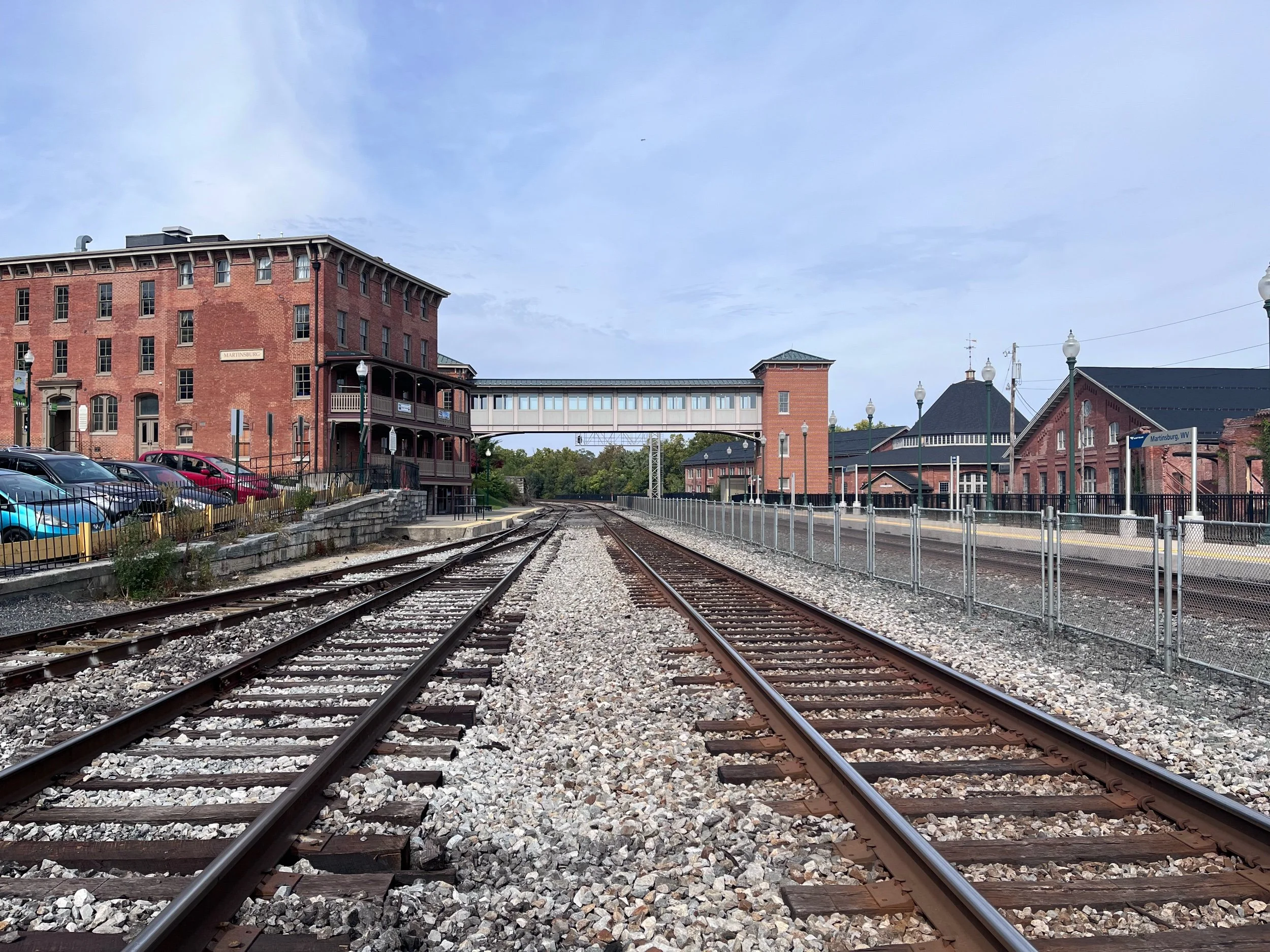
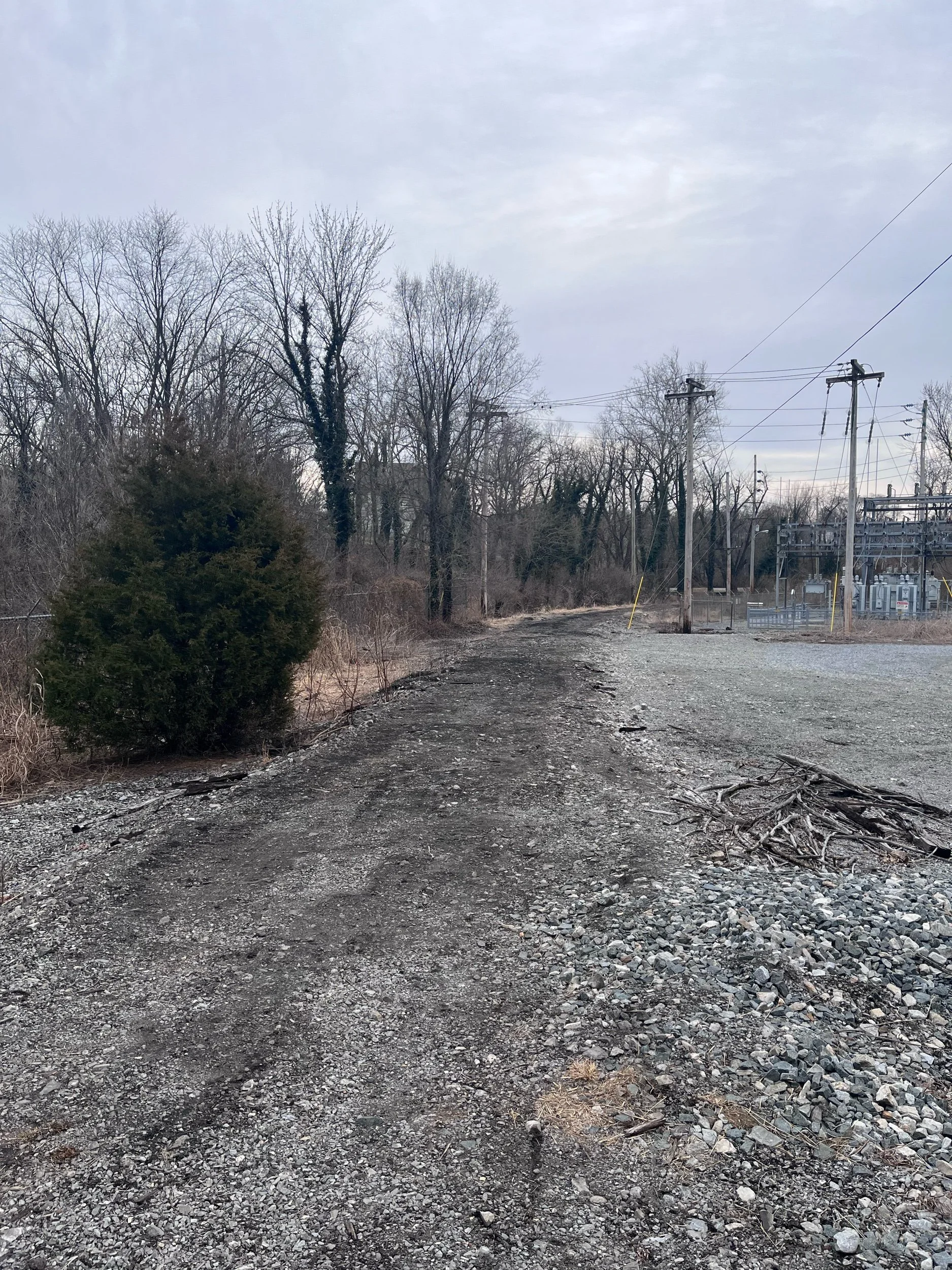
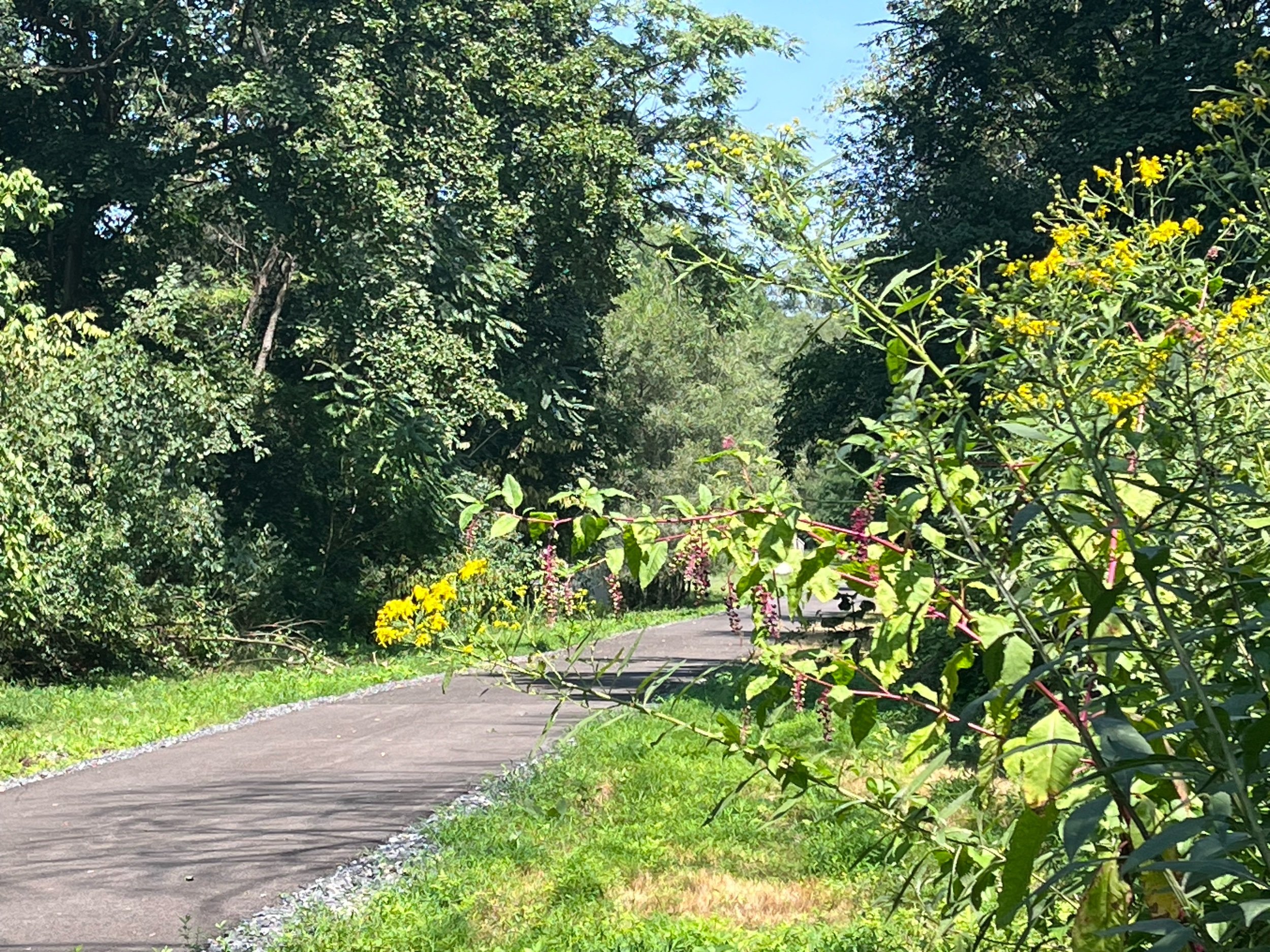
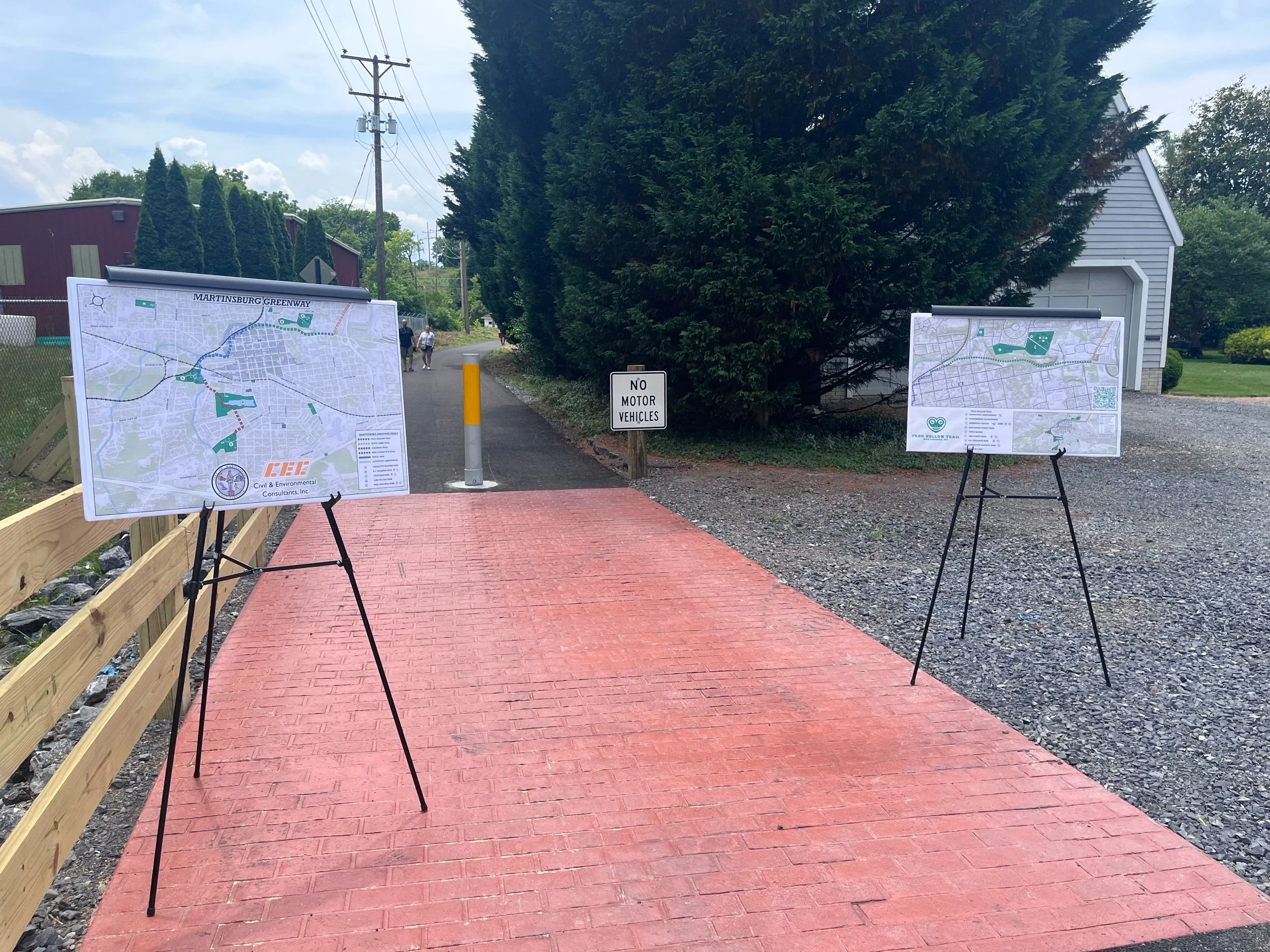
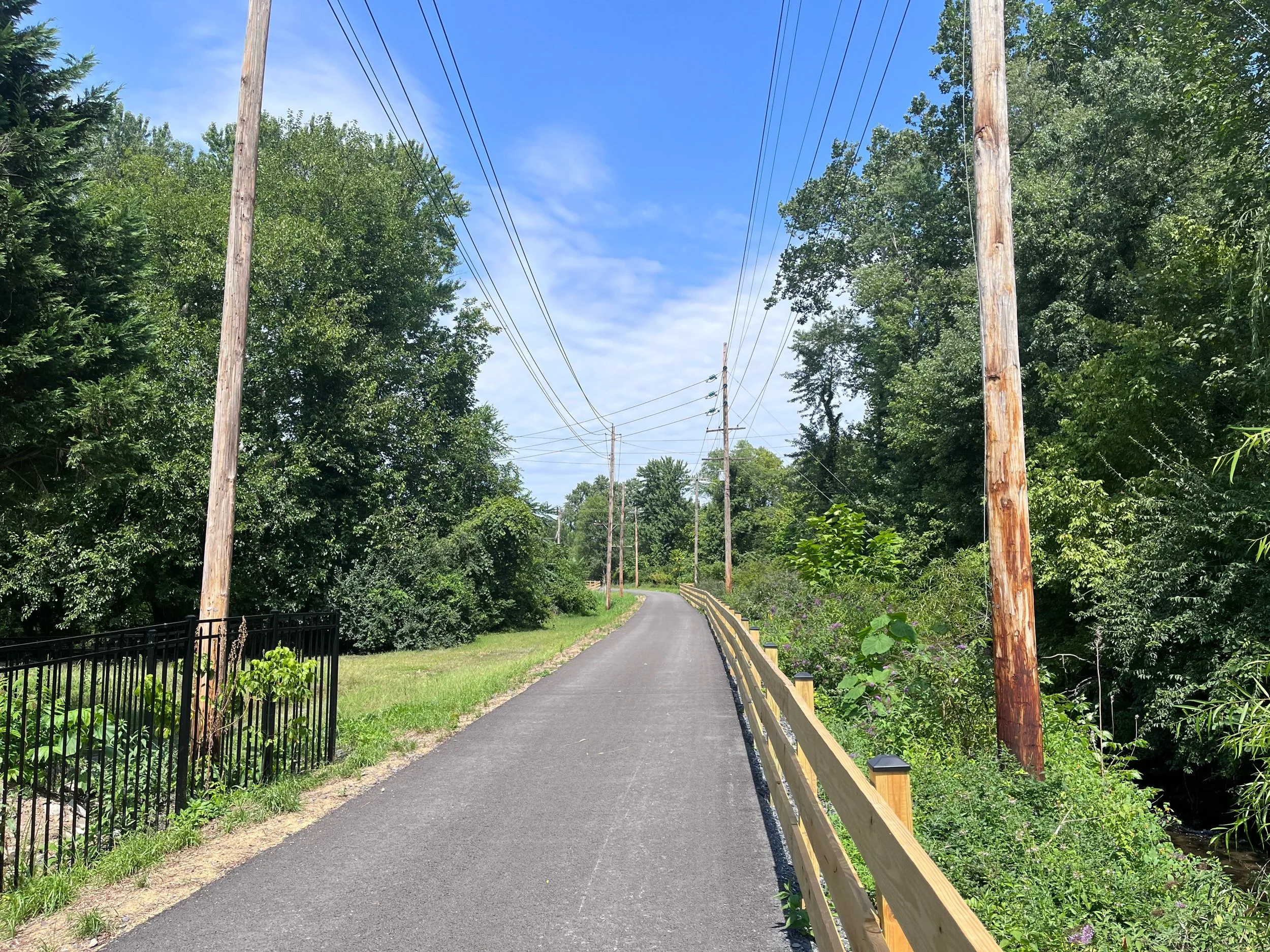
The Frog Hollow Trail - From Urban Blight to $20M Grant Catalyst
The Challenge: Decay as the Status Quo
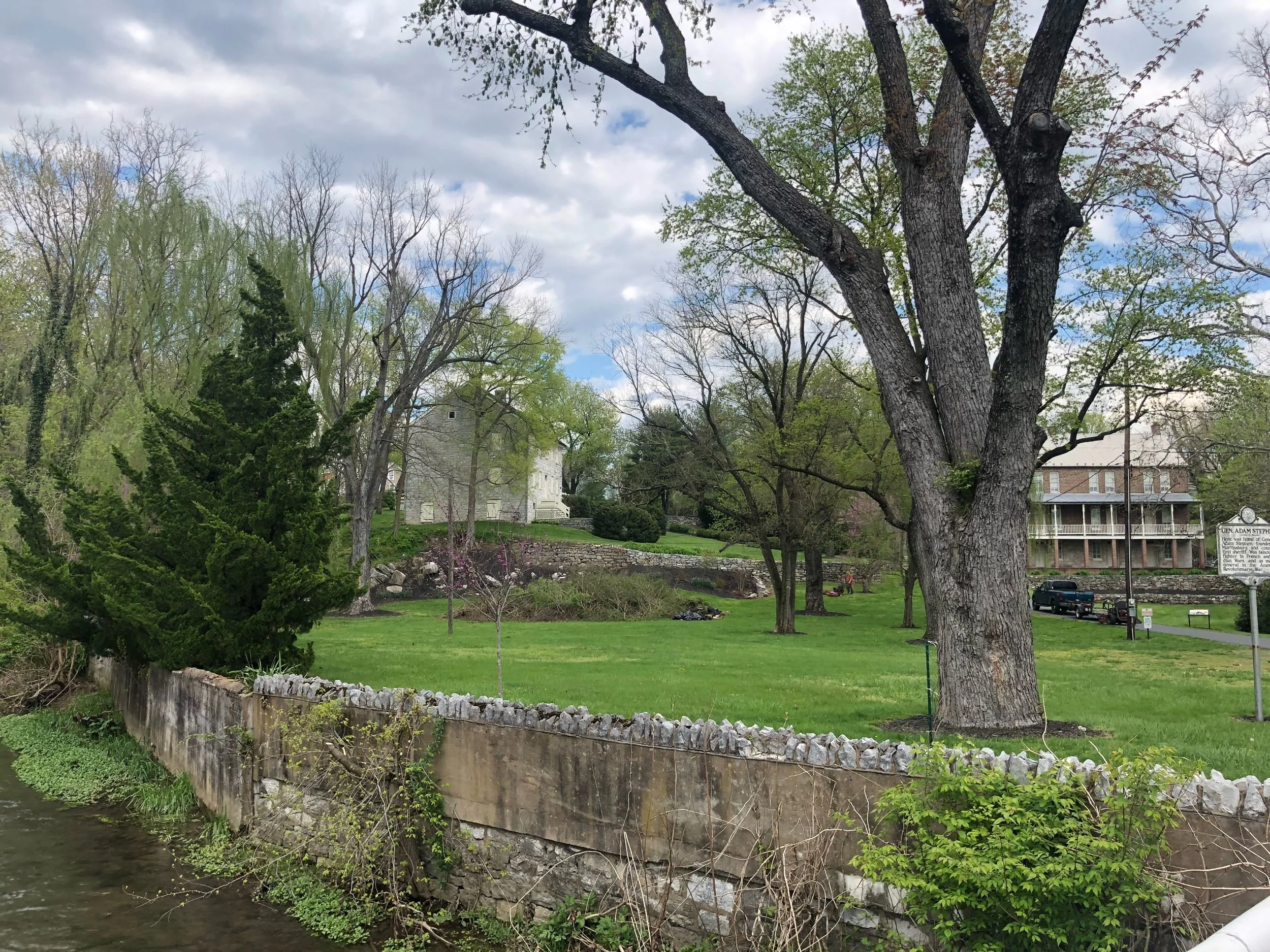
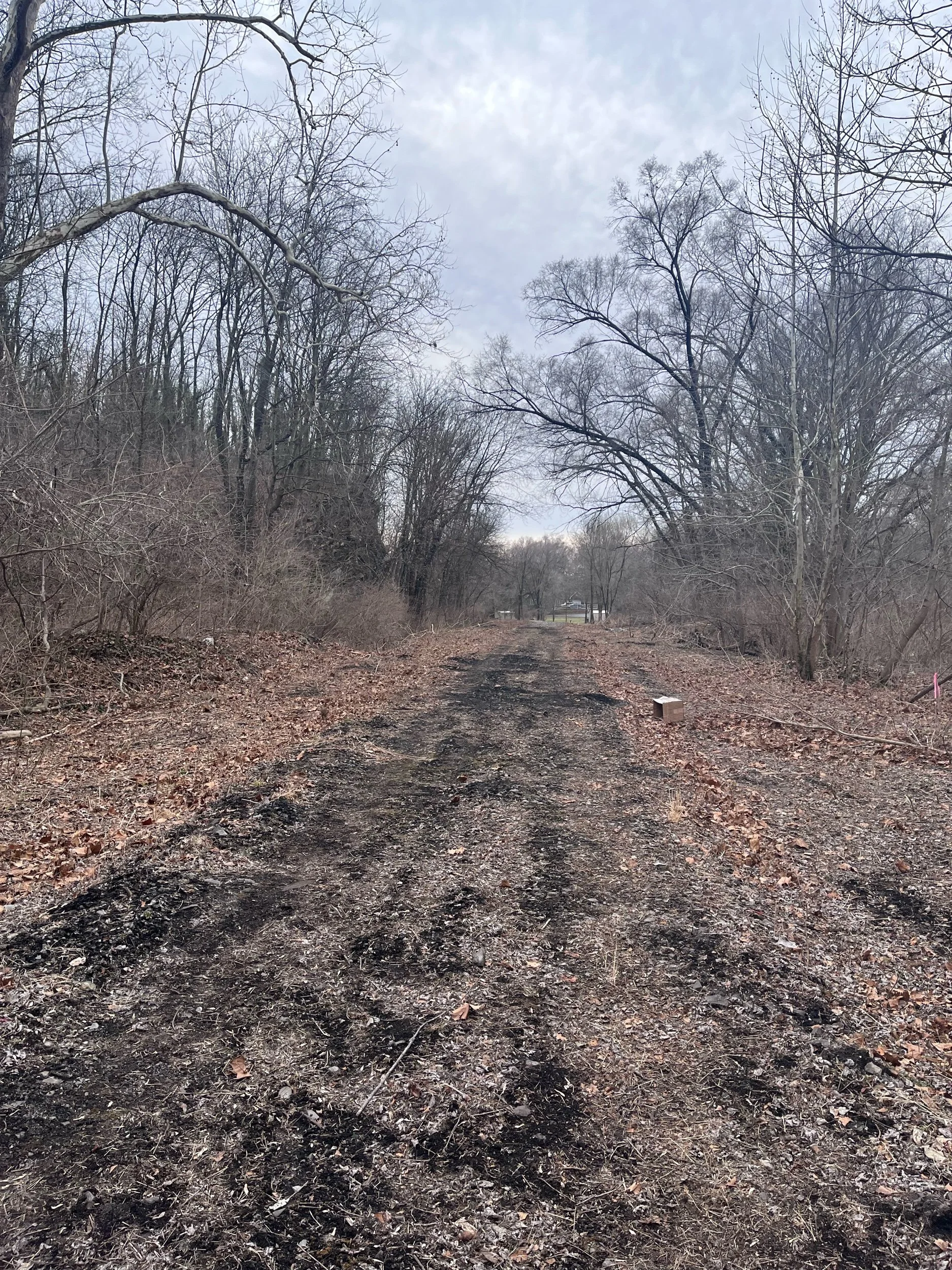
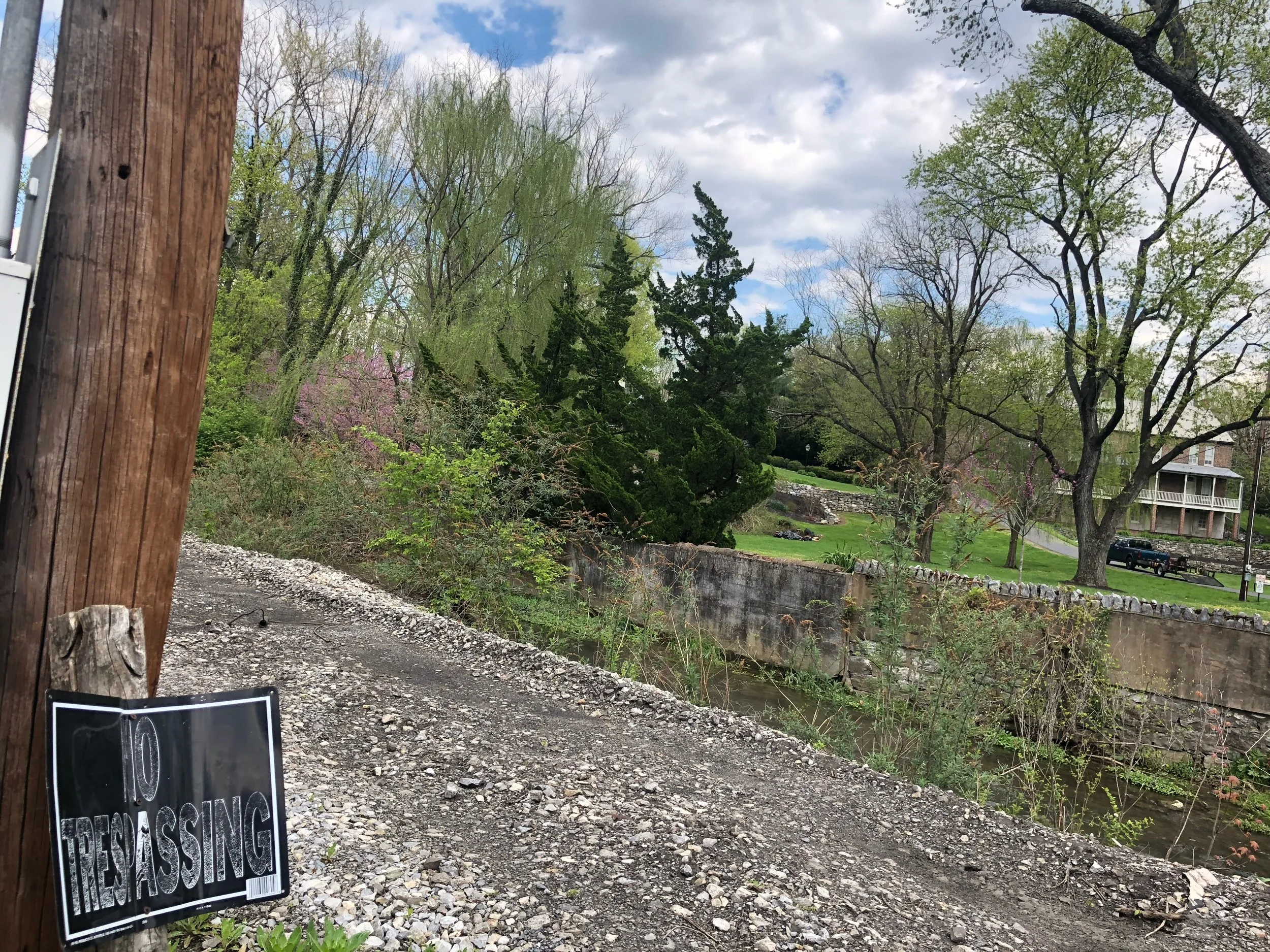
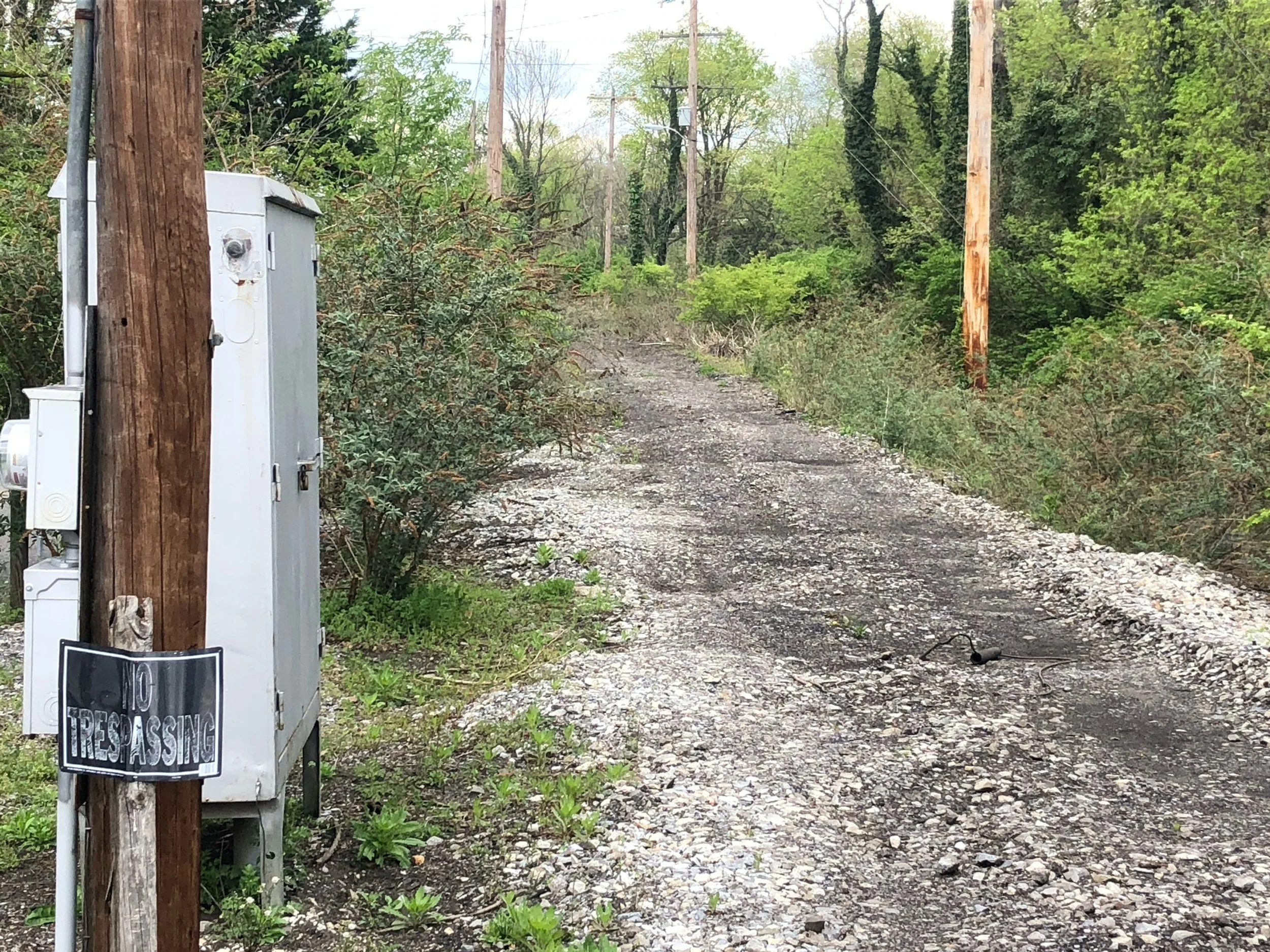
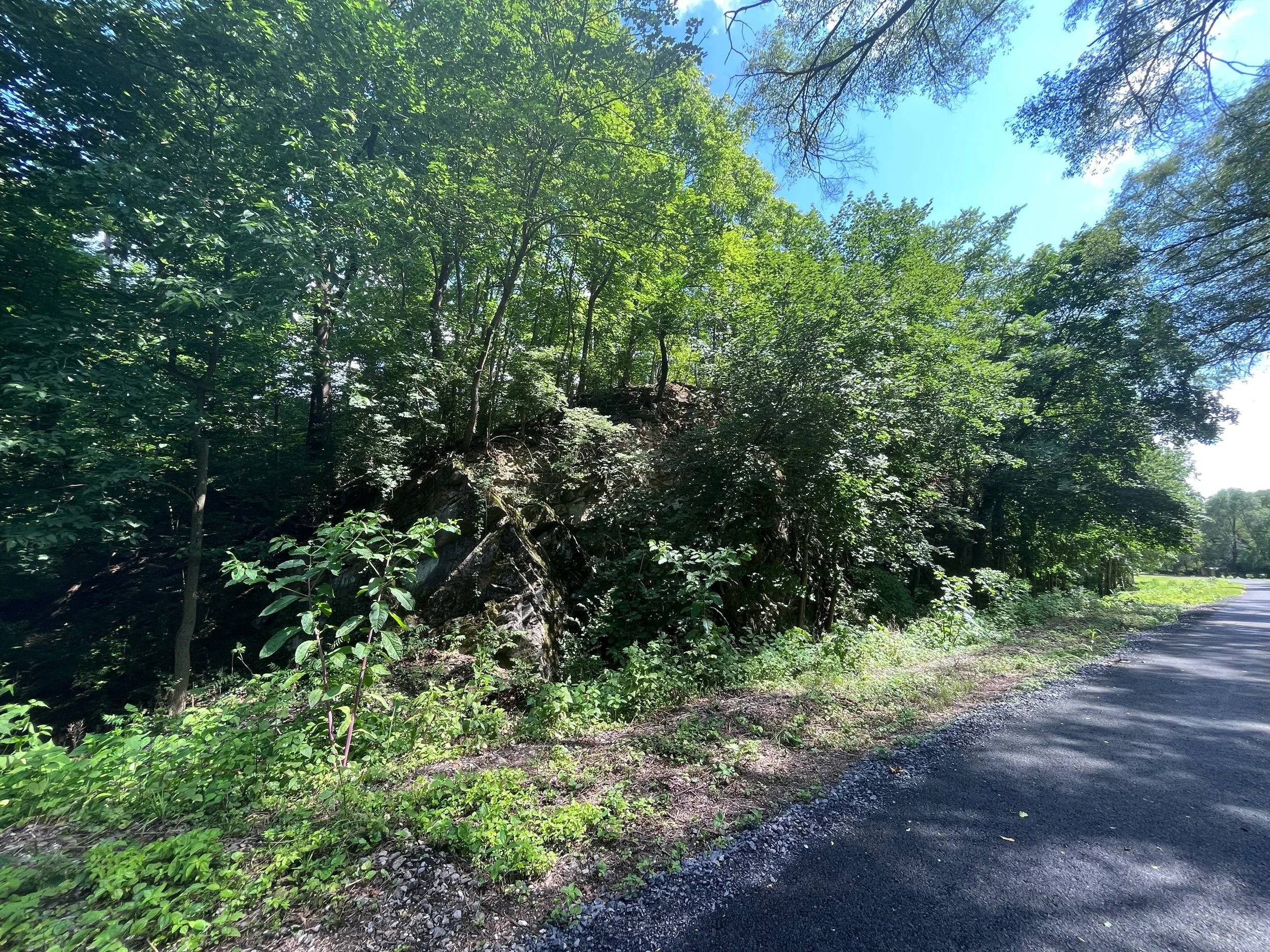
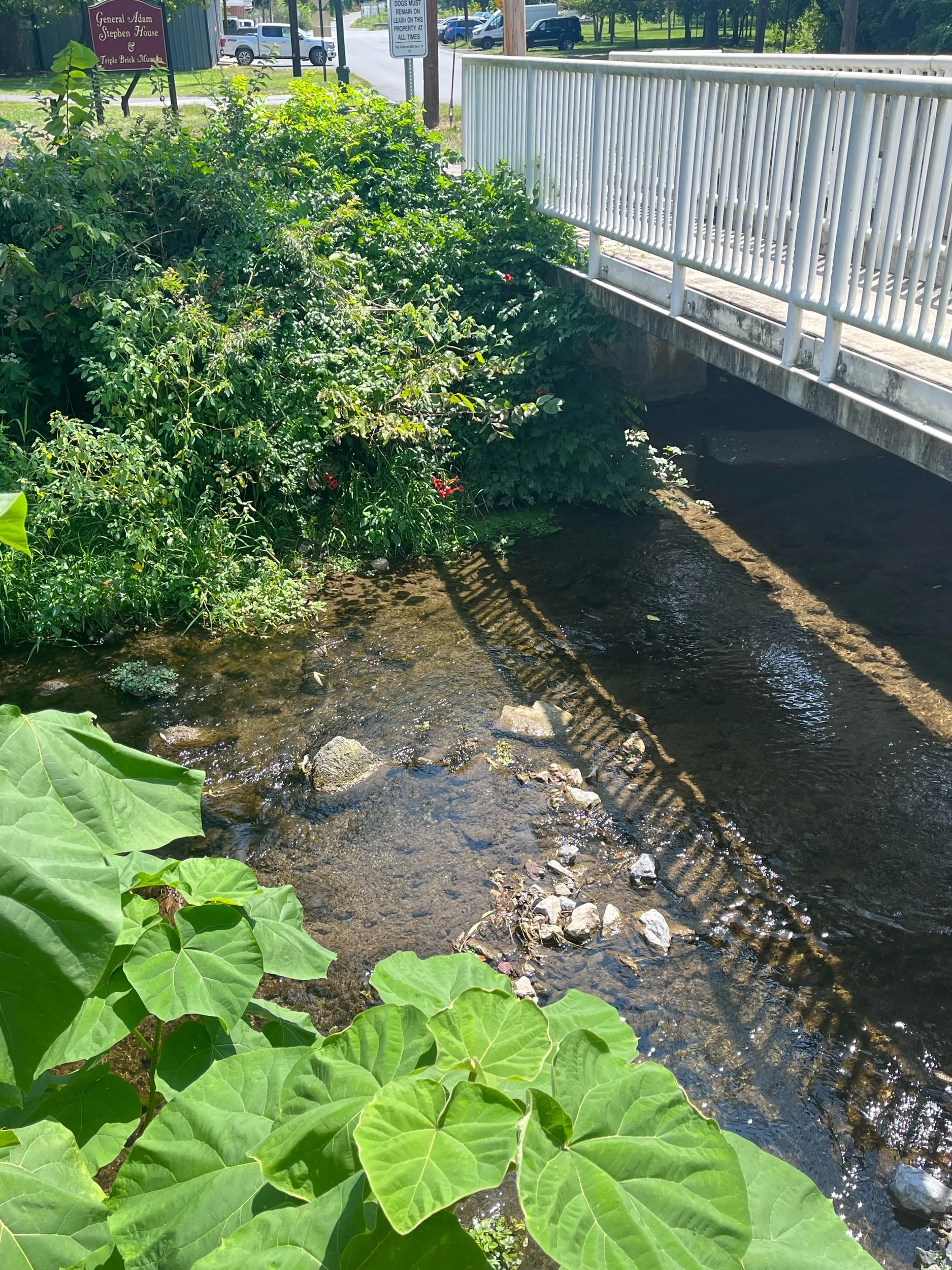
For years, Martinsburg’s rail corridors and creek-side areas were defined by neglect. Prior attempts to establish a trail system had failed, leaving behind overgrown and abandoned rails, and bridges literally falling into the creek. This wasn't just a lack of recreation; it was a physical liability that signaled a lack of momentum in the city’s core.
The Action: A Recovery and Funding Strategy
The turnaround began by restarting these defunct efforts—not with simple sketches, but by establishing the technical and tactical foundation required to support a massive federal funding request.
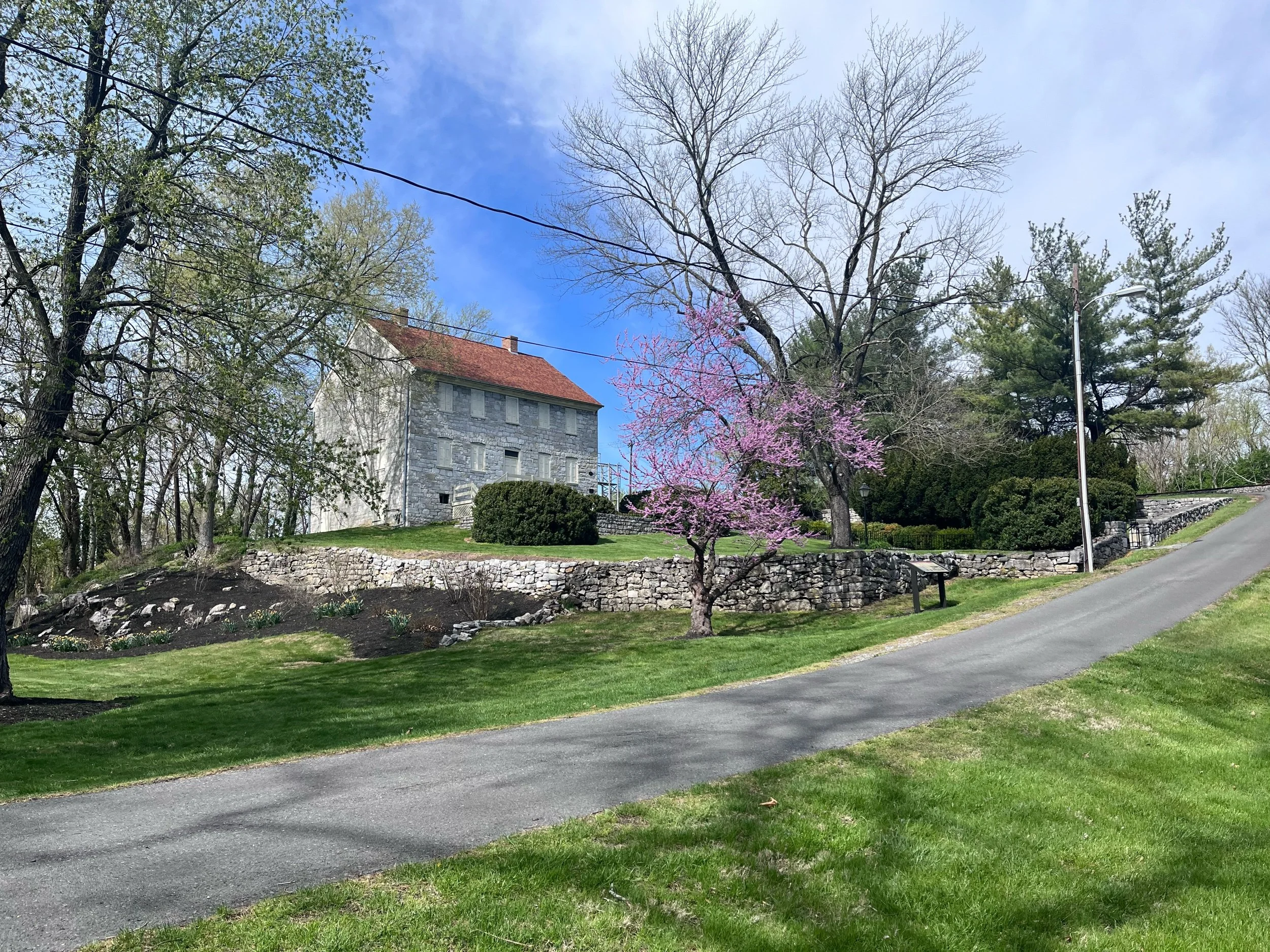
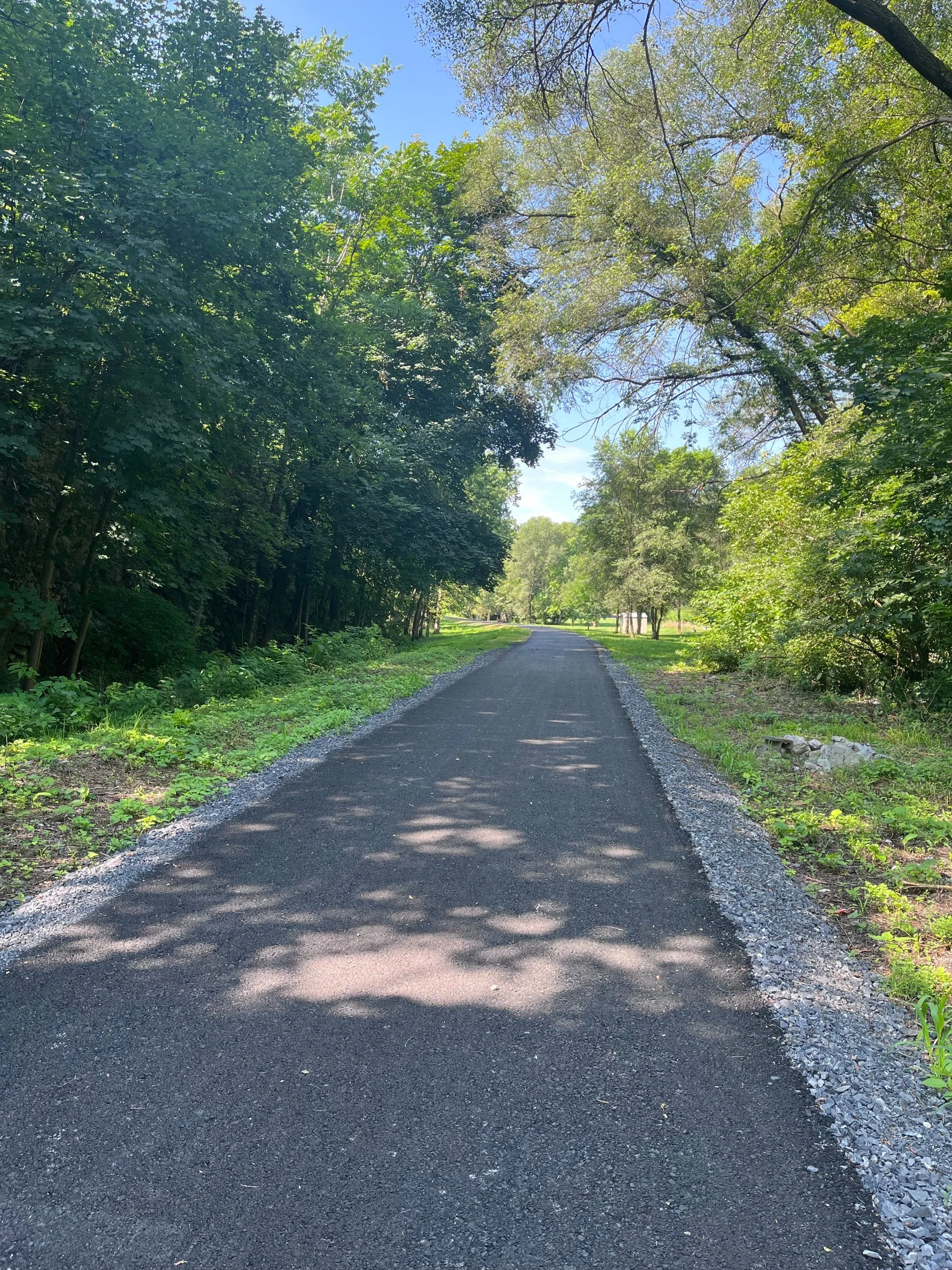
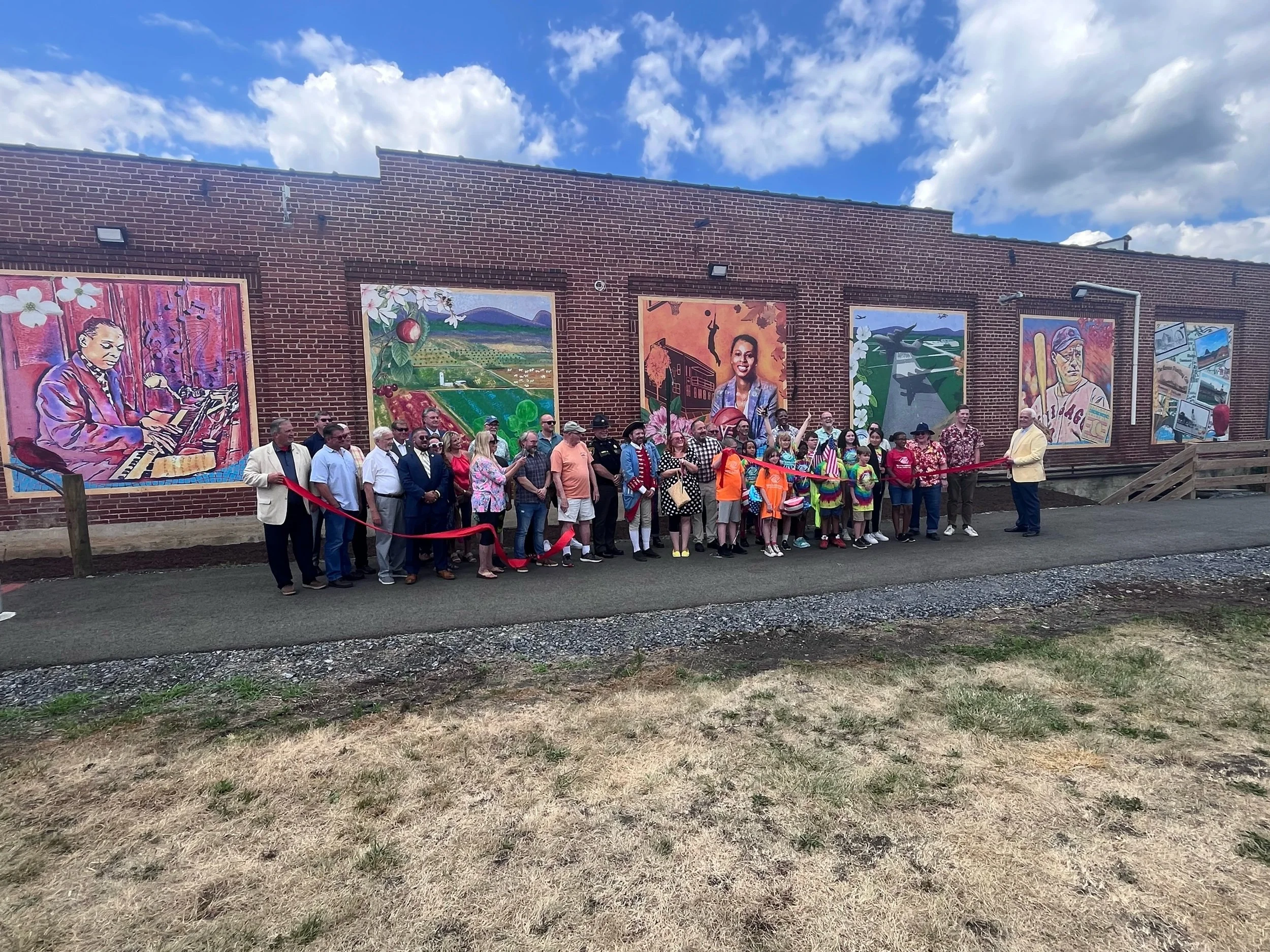
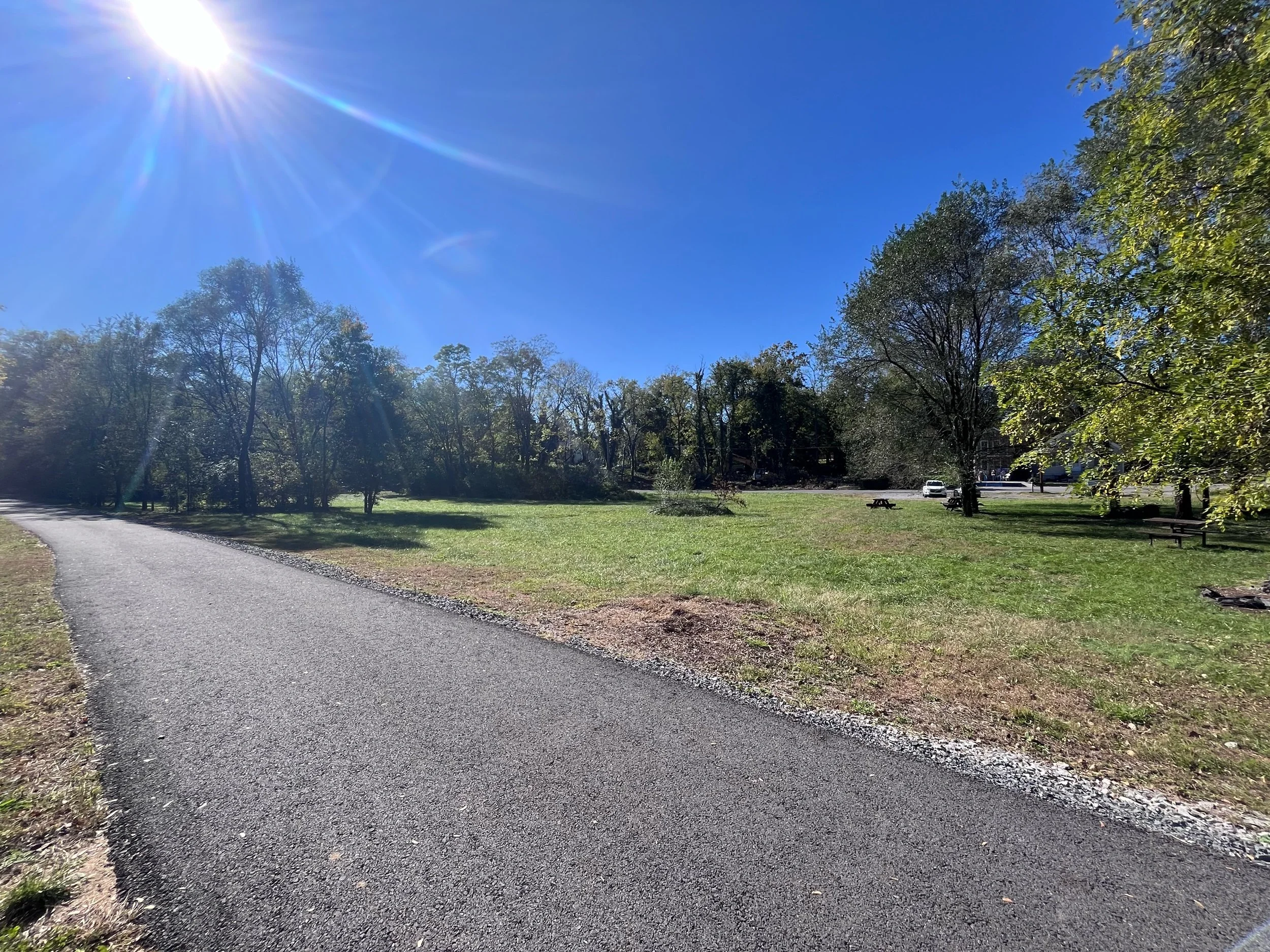
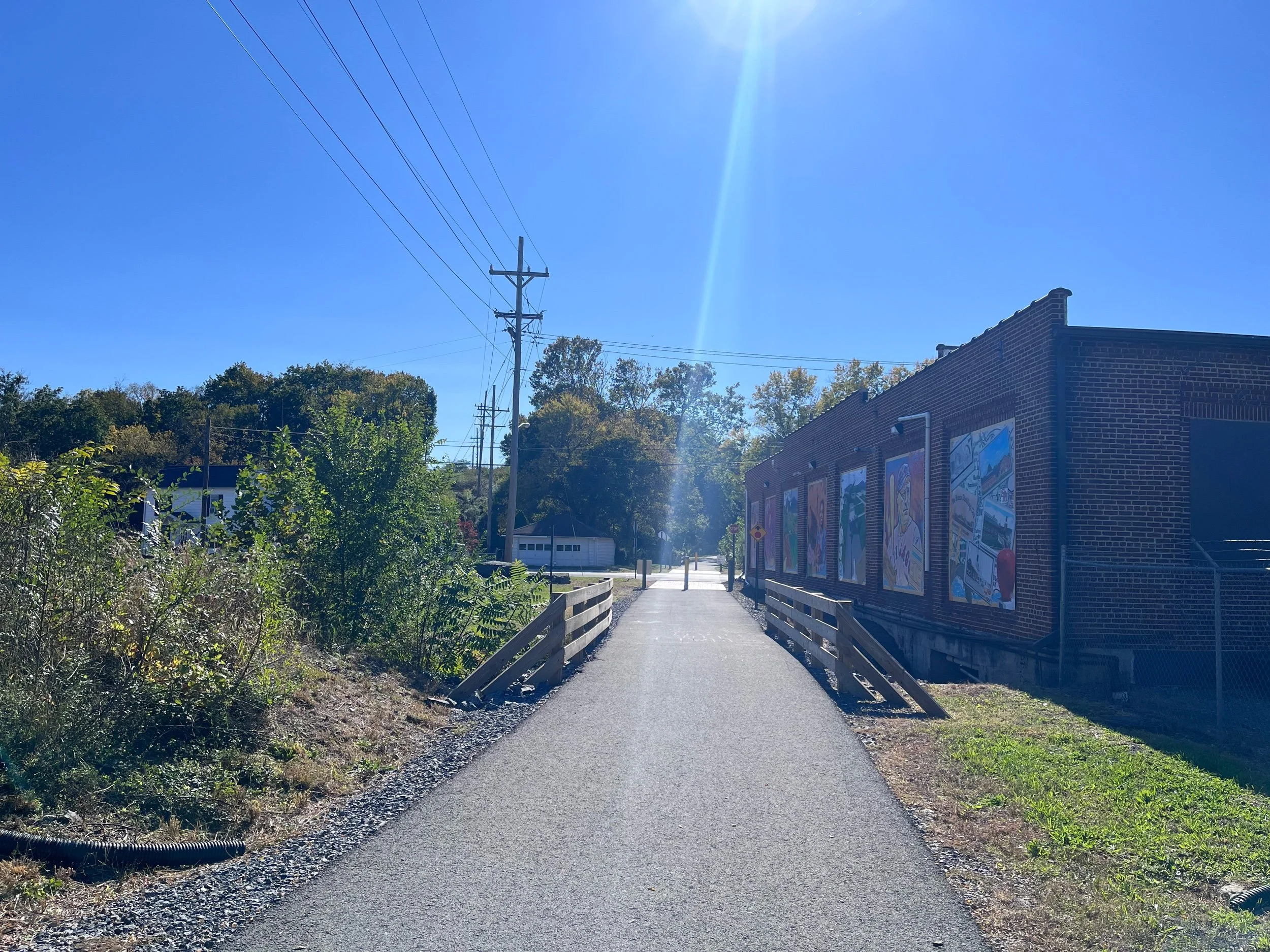
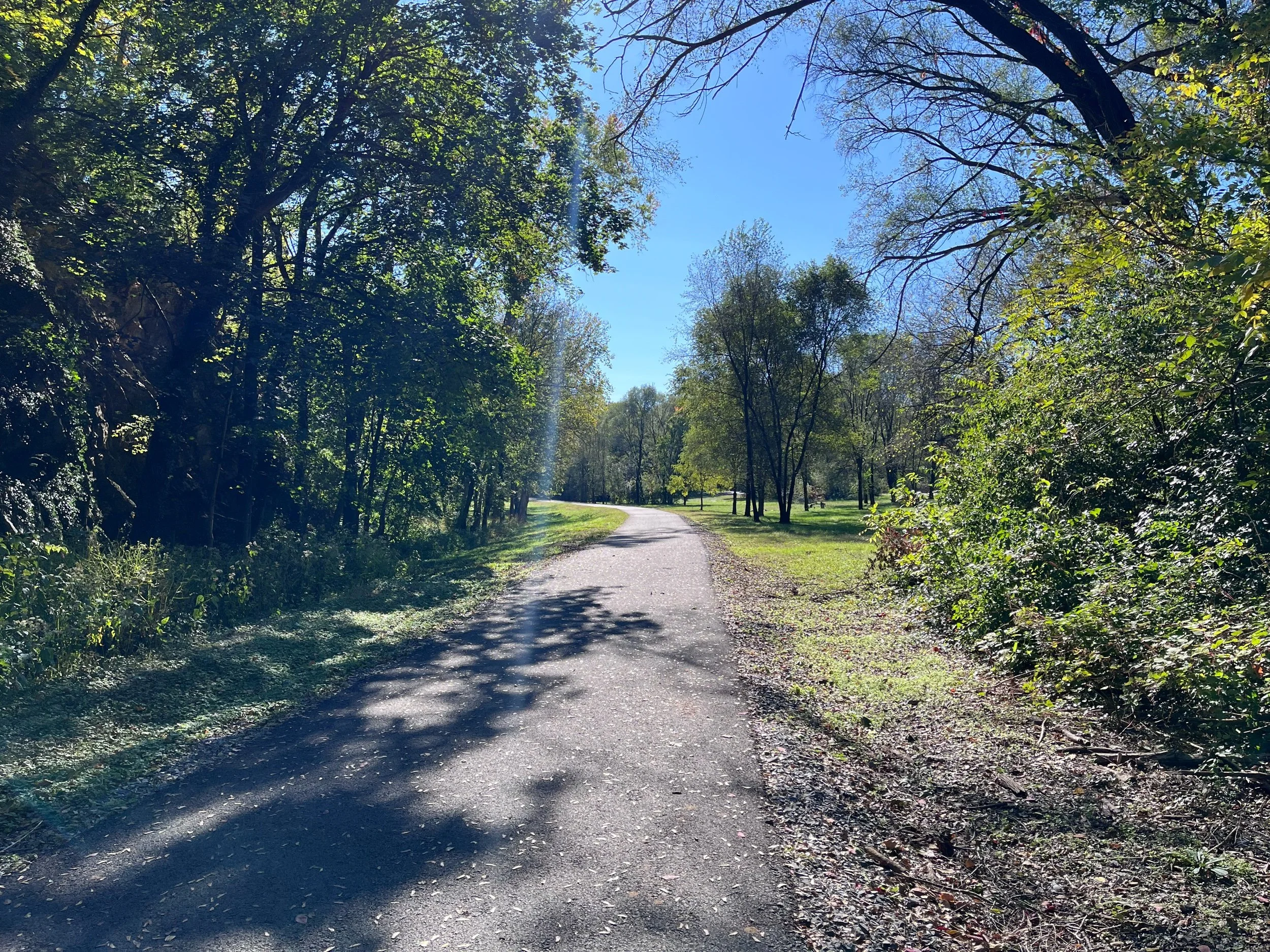
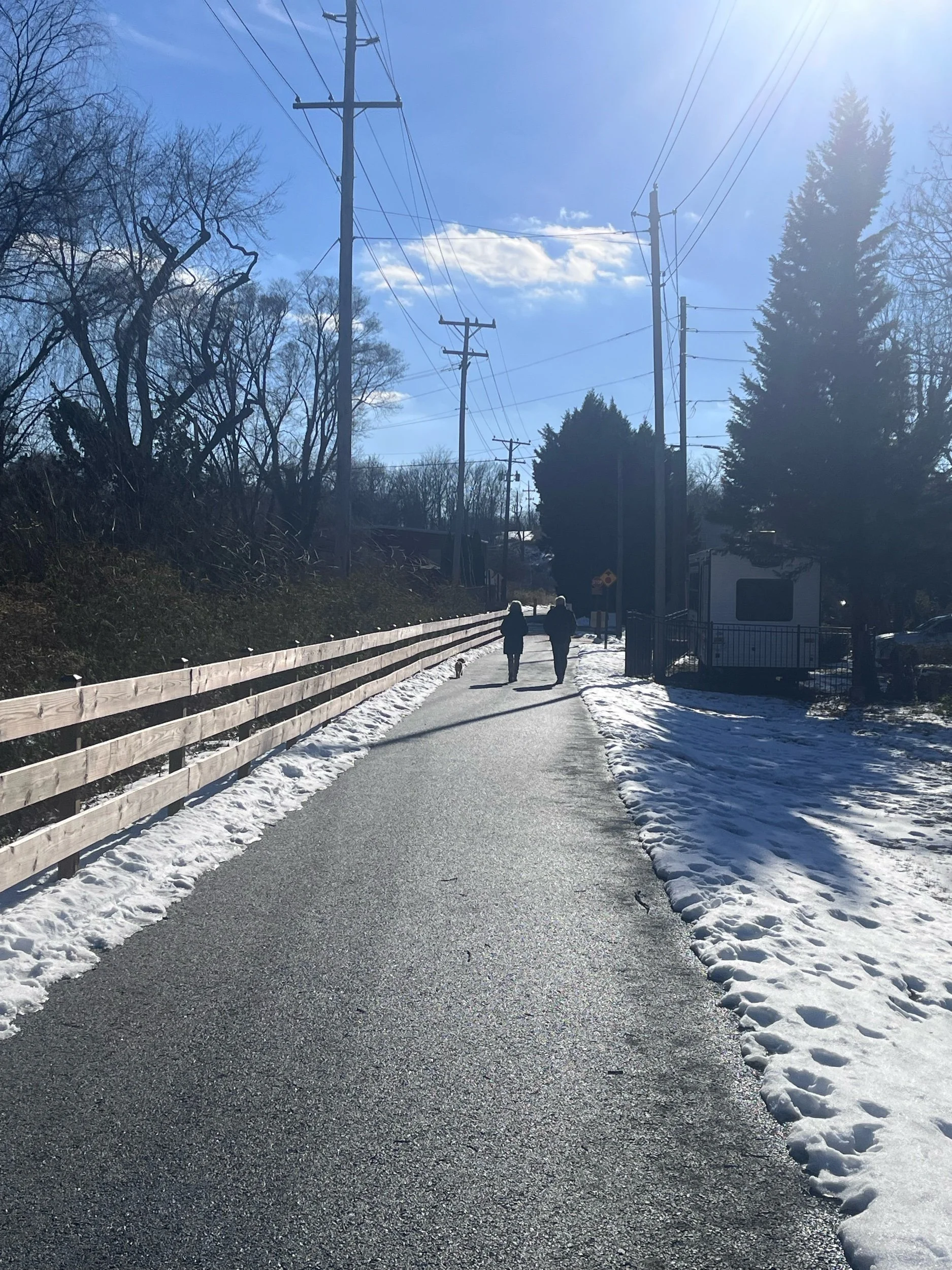
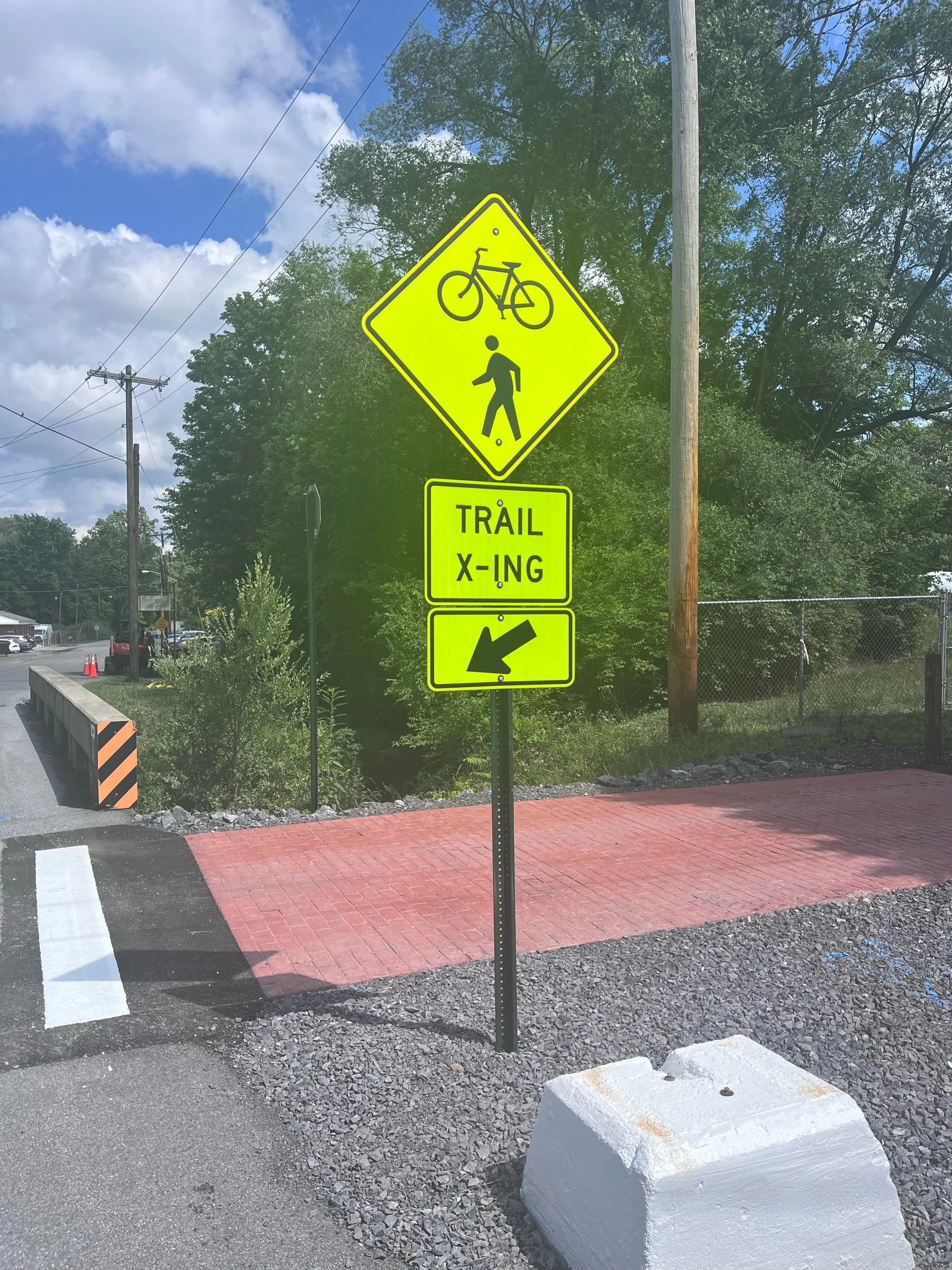
Reviving the Corridor: The stalled trail initiatives were unified under a new, professional identity: the Frog Hollow Rail Trail. By formalizing the concept and addressing the immediate physical decay of the corridors, the project was moved from a defunct idea back to a primary city priority. Past work with County recreation leaders was revived, and focus was centered on a pilot portion that could be more easily funded and constructed as a proof of concept and catalyst.
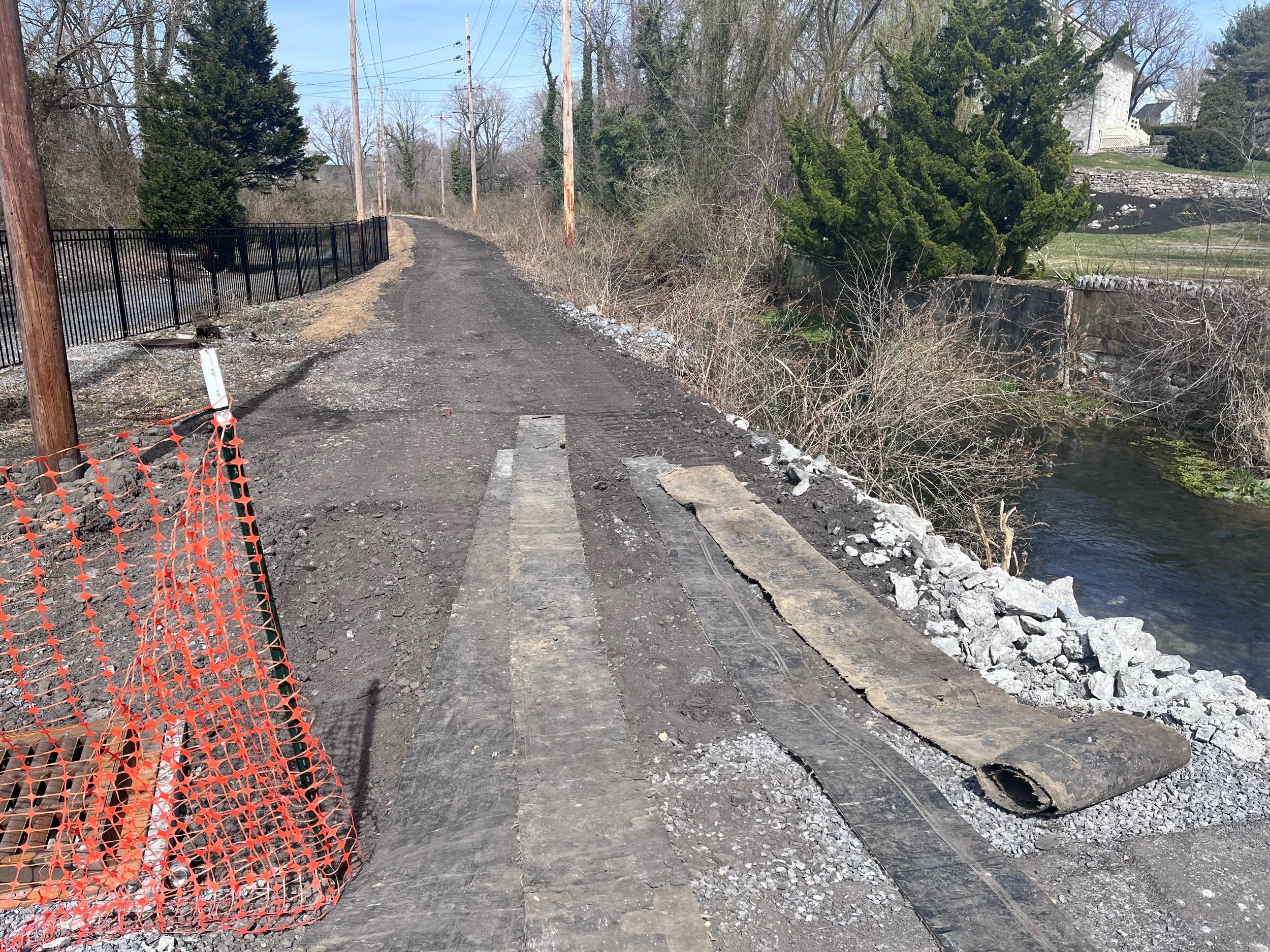
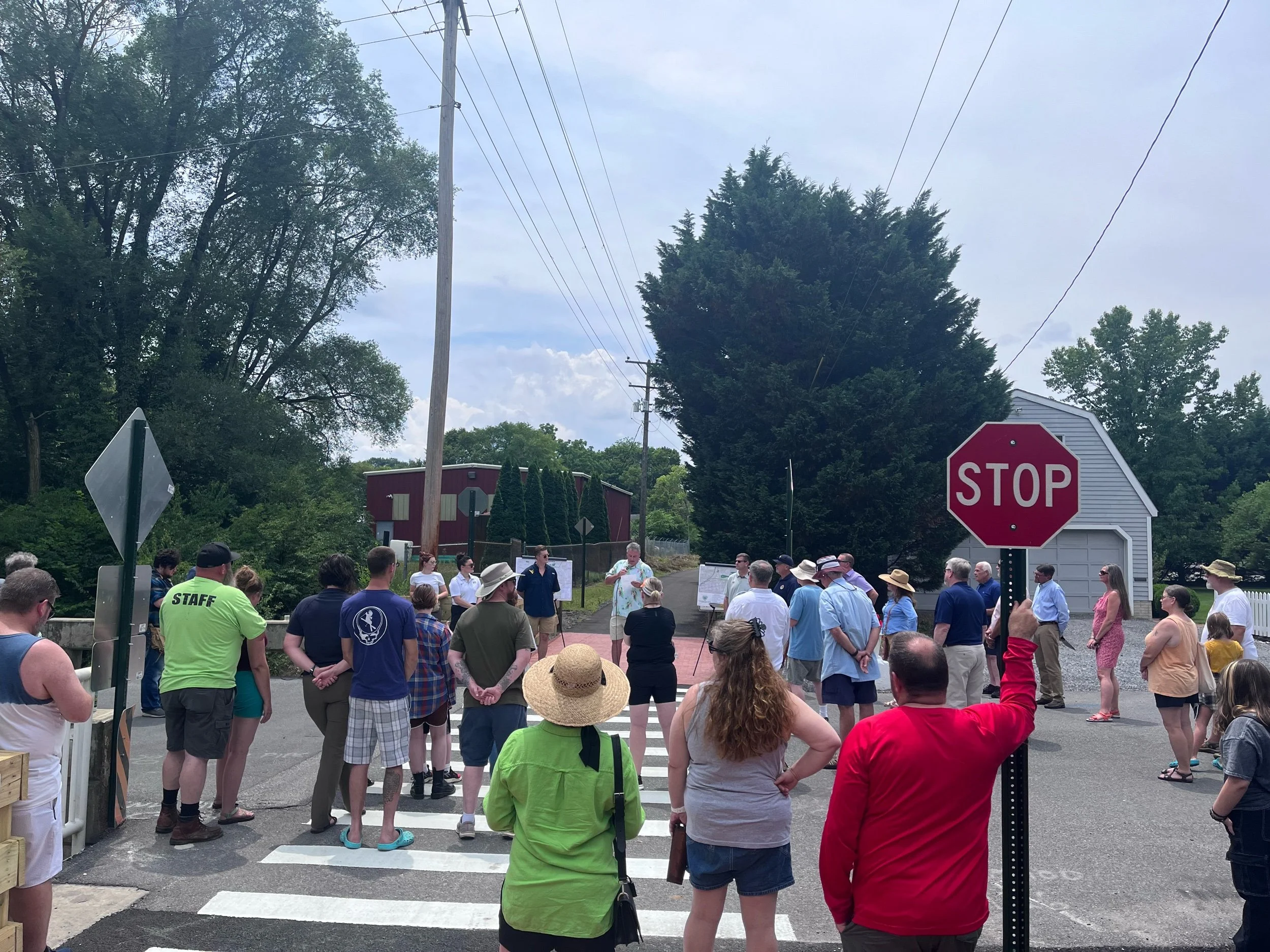
Tactical Infrastructure Planning: Work focused on the partnership and landowner buy-in, as well as the technical details that move a project toward construction. The Creekside District became a shared planning concept for brownfield and revitalization via riparian improvements and trail development, supported by the property owners and a suite of redevelopment concepts.
Leveraging for the RAISE Grant: With a credible project identity and technical groundwork in place, the Frog Hollow and Creekside efforts were leveraged to anchor the city's application for the $20M RAISE Grant, which provided the heavy funding to link these projects citywide to all parks, and to center the effort at a new lake, created from an abandoned quarry that sat fenced off and derelict for over a half-century. This required navigating complex federal requirements to ensure the project met the high standards for active transportation funding.
The Result: A $20M Recovery
The ability to salvage a failed project and professionalize its technical delivery resulted in a historic windfall for the city.
Securing the $20M RAISE Grant: This funding—the largest in the city’s history—provided the capital to finally address the riparian cleanup, bridge repairs, and recreational lake development that had been stagnant for decades.
A Continuous Funding Pipeline: Beyond the RAISE win, the strategy successfully secured SS4A (Safe Streets and Roads for All) Planning Grants and Technical Assistance (TA) grants, ensuring a sustained funding stream to move multiple trail segments from the planning phase into physical reality.